
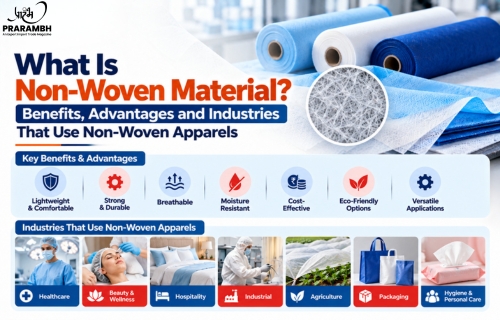
Non-woven materials are widely used in disposable products across healthcare, hospitality, beauty, wellness, and industrial sectors. From disposable spa gowns and salon capes to medical coveralls and protective apparel, these materials offer practical solutions for hygiene, convenience, and cost management.
But what exactly is non-woven material? What are its key benefits, and which industries have the highest demand for non-woven apparel?
What Is Non-Woven Material?
Non-woven material is a fabric-like sheet made by bonding fibres together through mechanical, thermal, or chemical processes instead of weaving or knitting yarns.
One commonly used material is spunbond polypropylene (PP), which is lightweight, economical, and suitable for many disposable products. Other non-woven materials include meltblown polypropylene, polyester-based non-wovens, and SMS (spunbond-meltblown-spunbond) composites.
Unlike conventional woven fabrics, non-woven materials can be engineered for specific requirements, such as softness, breathability, fluid resistance, or filtration.
Example: A disposable spa gown may use lightweight non-woven fabric for convenience and hygiene, while a medical protective garment may require a specially engineered material that meets defined barrier-performance standards.
Non-woven materials are not all the same. Their suitability depends on the fiber composition, manufacturing process, fabric weight, and intended application.
Benefits and Advantages of Non-Woven Material
Non-woven fabrics are popular because their properties can be adjusted to suit different applications. Key advantages include:
- Lightweight and Comfortable
Many non-woven materials are lightweight and can be designed to feel soft against the skin.
Example: Disposable spa gowns, salon capes, and head covers can be made using lightweight non-woven fabric for short-duration treatments.
- Cost-Effective for Single Use
Non-woven materials can be produced efficiently, making them suitable for many disposable products.
Example: A salon serving several customers daily may use disposable aprons instead of laundering reusable aprons after every service.
- Supports Hygiene Practices
Single-use non-woven apparel can help reduce the risk of cross-contamination when used and disposed of correctly.
Example: A beauty therapist can use a fresh disposable gown for each client, following the salon’s hygiene procedures.
- Breathability and Fluid Resistance
Depending on their construction, non-woven fabrics can offer airflow, fluid repellency, or stronger protective barriers.
Example: A spa may choose breathable fabric for a disposable wrap, while a healthcare facility may require a tested fluid-resistant gown for a particular procedure.
- Versatility and Customization
Non-woven materials can be manufactured in different weights, colours, finishes, and designs.
Example: A spa supplier may order disposable briefs in different sizes, while a salon distributor may request branded packaging for disposable capes.
- Convenient Storage and Handling
Many disposable non-woven products are lightweight, foldable, and easy to store in bulk.
Example: A hotel spa can keep individually packed disposable slippers, gowns, or head covers ready for guests.
These advantages vary by material type and product design. Non-woven products are not automatically waterproof, sterile, or suitable for every protective application. Product specifications should match the intended use.
Which Industries Have High Demand for Non-Woven Apparels?
Non-woven apparel is used wherever disposable clothing, hygiene, convenience, or application-specific protection is important. The following industries offer relevant applications for disposable apparel suppliers such as Mankolo.
- Healthcare and Medical Industry
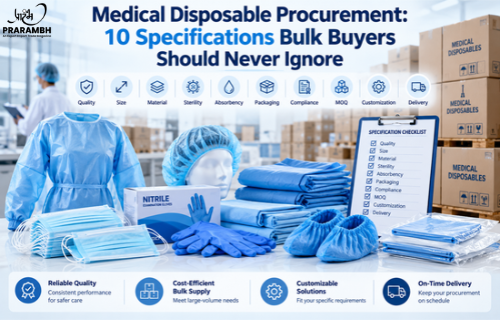
Hospitals, clinics, diagnostic centres, and laboratories use disposable gowns, aprons, caps, and shoe covers. Demand depends on infection-control protocols, product specifications, and the level of protection required.
Key products: Medical gowns, caps, aprons, shoe covers.
- Spa and Wellness Industry
Spas, massage centres, wellness resorts, and body-treatment facilities use disposable apparel to support clean and convenient treatment routines.
Key products: Disposable spa gowns, briefs, slippers, head covers.
- Beauty and Salon Industry
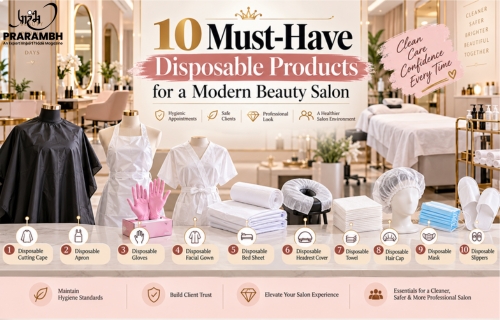
Hair salons, beauty parlours, waxing studios, and cosmetic treatment centres may use disposable apparel to simplify cleaning and maintain a fresh covering for each client.
Key products: Disposable aprons, salon capes, gowns, headbands.
- Food Processing and Catering
Food processing units, commercial kitchens, and catering operations may use disposable caps, aprons, and coveralls to support hygiene and contamination-control procedures.
Key products: Disposable aprons, coveralls, caps, beard covers.
- Industrial and Laboratory Sector
Pharmaceutical facilities, electronics manufacturing units, laboratories, and cleanrooms require apparel suited to their specific contamination-control and workplace safety needs.
Key products: Coveralls, lab coats, caps, shoe covers.
- Hospitality and Housekeeping
Hotels, resorts, housekeeping contractors, and facility-management companies may use disposable protective apparel for selected cleaning, maintenance, and guest-service activities.
Key products: Disposable aprons, shoe covers, protective gowns.
Note: Actual demand varies by location, customer segment, procurement policies, and the intended application. Protective garments must meet the applicable industry standards.
How to Choose the Right Non-Woven Material
Before purchasing non-woven apparel, businesses should consider these five factors:
- Intended use: Determine whether the product is for spa treatments, salon services, healthcare, or industrial protection.
- Material type: Choose an appropriate fabric, such as spunbond polypropylene or a suitable composite material.
- Fabric weight (GSM): Compare grams per square metre, along with strength, softness, and durability.
- Protection requirements: Verify relevant fluid resistance, filtration, or other performance claims through suitable testing.
- Supplier reliability: Check product consistency, available sizes, packaging options, order quantities, and delivery timelines.
Conclusion
Non-woven material has become an important choice for disposable apparel because it can offer lightweight construction, cost efficiency, convenience, and application-specific performance.
Healthcare, spa and wellness, beauty salons, food processing, laboratories, and industrial facilities are important users of non-woven apparel. Choosing the right material depends on the product’s intended use, performance requirements, and budget.
For businesses sourcing disposable spa and salon products, understanding non-woven materials helps them select suitable products for their customers. Mankolo can use this material knowledge to help buyers explore disposable apparel options suited to their operational needs.
Frequently Asked Questions (FAQs)
- What is non-woven material?
Non-woven material is a fabric-like sheet made by bonding fibres together without weaving or knitting yarns.
- What are the main advantages of non-woven fabric?
Its advantages can include lightweight construction, cost efficiency, softness, breathability, fluid resistance, and suitability for disposable products, depending on its composition and design.
- Is non-woven fabric suitable for disposable spa and salon apparel?
Yes. Suitable non-woven materials are commonly used for disposable spa gowns, salon aprons, briefs, head covers, and other single-use products.
- Which industries use non-woven apparel?
Healthcare, beauty and salon services, spas, food processing, laboratories, cleanrooms, and selected industrial and hospitality applications use non-woven apparel.
- Is non-woven fabric waterproof?
Not necessarily. Some non-woven fabrics repel liquids, while others absorb them or allow liquids to pass through. Performance depends on the material, construction, and any added treatment or coating.
- Is non-woven material environmentally friendly?
Environmental impact depends on the fibres used, manufacturing process, product lifespan, and disposal method. Some non-woven products are recyclable where suitable facilities exist, but single-use products can contribute to waste.
- What is the difference between woven and non-woven fabric?
Woven fabric is made by interlacing yarns, while non-woven fabric is made by bonding or entangling fibres directly. Both have different strengths and applications.