
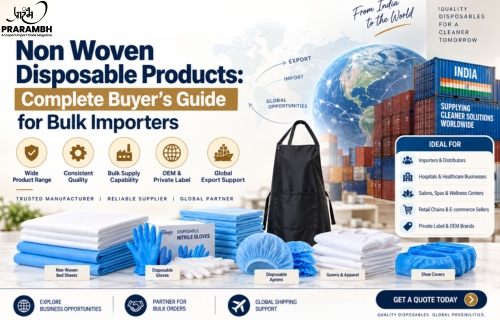
Non-Woven Disposable Products
Non-woven disposable products have become an important part of the healthcare, hospitality, food, beauty, manufacturing and personal-care industries. Products such as disposable caps, face masks, shoe covers, gowns, coveralls and shoe covers are used every day by hospitals, clinics, laboratories, restaurants, factories, salons and many other businesses.
For bulk importers, non-woven disposable products can be an attractive business opportunity because they are lightweight, easy to pack, have regular demand and are available in many different sizes, materials and qualities.
However, buying these products in bulk is not simply about finding the lowest price. Product quality, material, size, weight, packaging, certifications, supplier reliability and destination-country requirements can all affect the success of an import shipment.
This guide explains the important points a bulk importer should understand before placing an order.
What Are Non-Woven Disposable Products?
Non-woven products are made from fibres that are bonded together instead of being woven or knitted like ordinary fabric.
Common materials include polypropylene (PP), spunbond non-woven fabric and melt-blown material. Different materials and manufacturing methods provide different levels of strength, softness, breathability and filtration.
Most disposable non-woven products are designed for single use. After use, they are normally discarded according to the applicable waste-handling requirements.
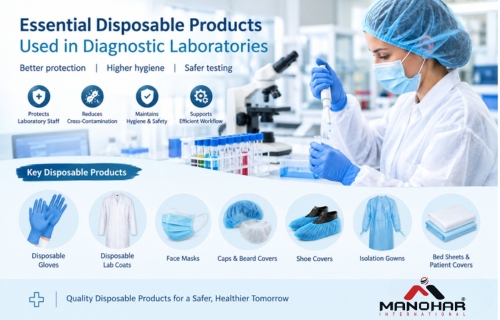
Some commonly imported non-woven disposable products include:
- Disposable face masks
- Bouffant caps
- Beard covers
- Shoe covers
- Disposable gowns
- Disposable coveralls
- Sleeve covers
- Disposable aprons
- Visitor coats
- Bed sheets
- Pillow covers
- Examination accessories
- Food-processing protective wear
The right product depends on the industry and the purpose for which it will be used.
Who Can Buy / Import Non-Woven Disposable Products?
One of the first steps for an importer is to understand the target market.
Non-woven disposable products are used by a wide range of industries, including:
- Healthcare
- Food Industry
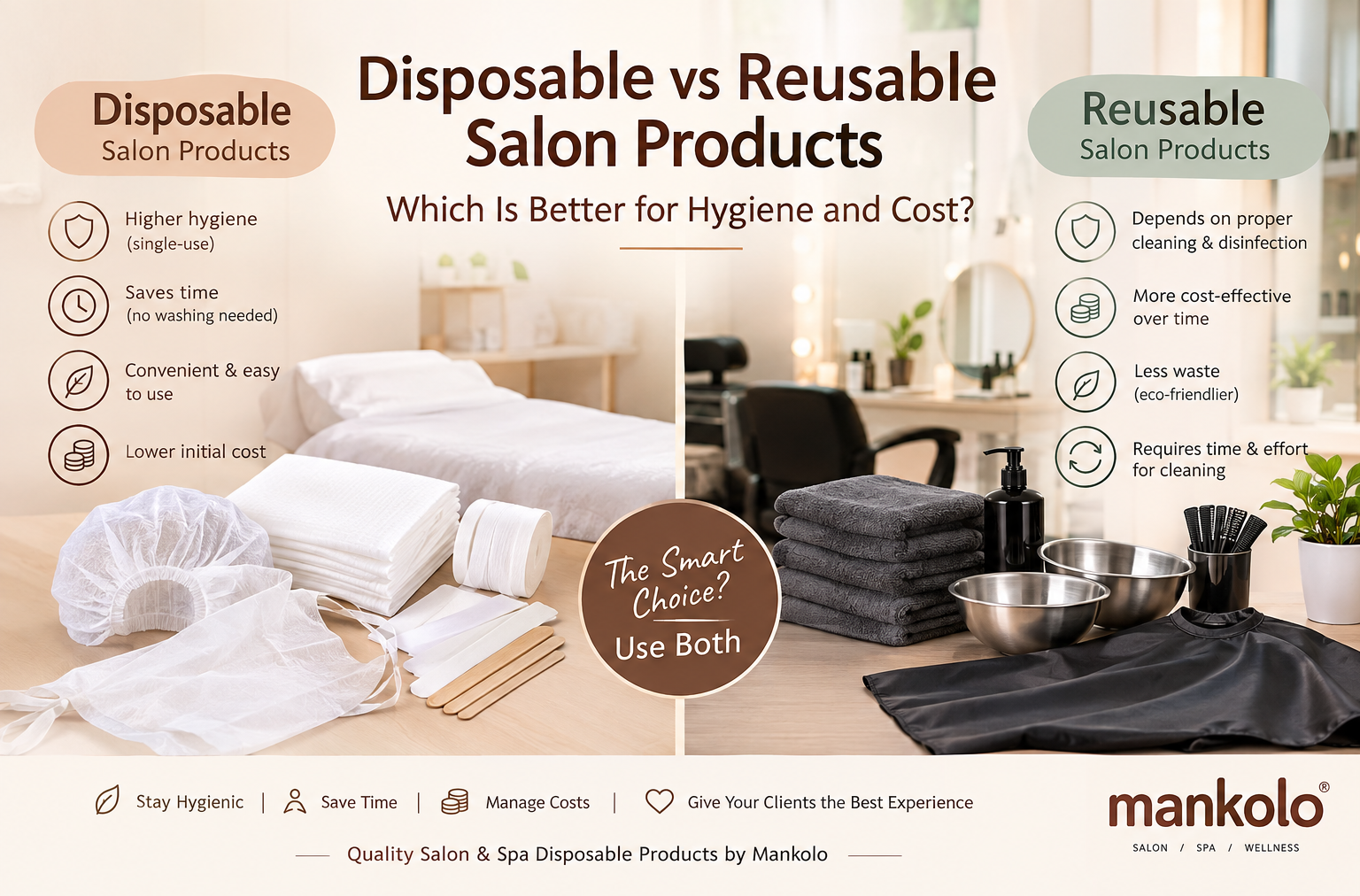
- Beauty and Wellness
- Manufacturing
- Hospitality
Hotels, housekeeping companies and other hospitality businesses may purchase disposable products in bulk for specific cleaning, maintenance or hygiene applications.
Knowing your target customer will help you select the right product specification.
Choose the Right Material
Material is one of the most important things to check before importing.
For example, polypropylene non-woven fabric is widely used for disposable products because it is lightweight and can be produced in different grades.
But simply asking a supplier, “Is it non-woven?” is not enough.
Ask the supplier for details such as:
- Material type
- Fabric construction
- Fabric weight (GSM)
- Number of layers
- Colour
- Thickness
- Breathability
- Strength
- Intended application
GSM means “grams per square metre.” It is commonly used to describe the weight of non-woven fabric.
A higher GSM does not automatically mean that a product is better. The correct GSM depends on the intended application.
For example, a lightweight cap may require a different specification from a protective gown.
Understand Product Specifications
Before requesting a quotation, prepare a clear product specification.
Your specification should ideally mention:
- Product name
- Material
- Size
- GSM
- Colour
- Design
- Elastic type
- Stitching or sealing method
- Packaging
- Quantity per carton
- Individual packaging requirements
- Printing or branding requirements
- Quality requirements
For products such as masks, you may also need to specify the number of layers, ear-loop design, nose clip and filtration-related requirements, depending on the intended use.
The clearer your specification is, the easier it becomes to compare different suppliers.
Always Ask for Samples
Never place a large bulk order based only on photographs or a supplier’s description.
Request samples before confirming your order.
When you receive the sample, check:
- Fabric feel
- GSM
- Size
- Strength
- Elastic quality
- Stitching
- Product finishing
- Colour
- Packaging
- Overall appearance
If possible, have the sample checked by someone who understands the product and its intended use.
Once the sample is approved, make sure the bulk order matches the approved sample.
A useful practice is to keep the approved sample and clearly mention its specifications in your purchase documents.
Check Supplier Capability
A supplier may offer a very attractive price, but can they actually supply the required quantity consistently?
Before placing a bulk order, ask about:
- Manufacturing capacity
- Minimum Order Quantity (MOQ)
- Production lead time
- Monthly production capacity
- Previous export experience
- Quality-control process
- Packaging capacity
- Private-label or OEM capability
- Product testing facilities
- Certifications and reports
You should also verify the supplier’s company details and business experience before making a large payment.
For a new importer, starting with a manageable trial order can be safer than immediately placing a very large order.
Check Certifications and Compliance
This is especially important when importing products that are intended for healthcare, medical, food-contact or protective applications.
Do not assume that every disposable non-woven product has the same regulatory requirements.
The required documents and standards can depend on:
- Product type
- Intended use
- Country of import
- Industry
- Whether the product is classified as a medical device or protective product
- Claims made on the product packaging
Depending on the product and market, buyers may ask for documents such as:
- Certificate of Analysis (COA)
- Test reports
- Material specifications
- Product specifications
- Safety Data Sheet (where applicable)
- Quality-management certificates
- Relevant conformity certificates
- Manufacturer’s declarations
Always check the regulations of your destination country before finalising your purchase.
If you are importing a product for medical use, do not treat it like an ordinary disposable commodity. Medical and protective products can have additional regulatory requirements.
Conclusion
Non-woven disposable products can be a good opportunity for bulk importers because they serve many industries and have regular demand. However, successful importing requires more than finding a supplier and negotiating a low price.
The key is to understand what you are buying, who will use it, what quality is required, what documents are needed and what the final landed cost will be.
Start with a clear product specification, request samples, verify the supplier, check applicable regulations and calculate your complete import cost before placing a large order.
For a new importer, a well-planned trial shipment can be an excellent way to understand the product, supplier, logistics and market before moving into larger volumes.
Remember: In bulk importing, the right product at the right quality and the right landed cost is more important than simply getting the lowest quotation.
Frequently Asked Questions (FAQs)
1. What are non-woven disposable products?
Non-woven disposable products are single-use items made from materials such as polypropylene (PP) non-woven fabric. Common products include face masks, caps, gowns, shoe covers, aprons and coveralls. They are widely used in healthcare, food processing, hospitality, manufacturing and beauty industries.
2. What should I check before buying non-woven disposable products in bulk?
Bulk buyers should check the material, GSM, size, design, product quality, packaging, MOQ, supplier capability and required certifications. It is also recommended to request and approve samples before placing a large order.
3. How can I verify the quality of non-woven disposable products?
Ask the supplier for product specifications, test reports and relevant certificates. Always request samples and compare the bulk shipment with the approved sample. For large orders, a pre-shipment quality inspection can also help reduce risks.
4. What certifications are required for importing non-woven disposable products?
The requirements depend on the product, intended use and destination country. Products intended for medical, protective or specialised applications may have additional regulatory requirements. Importers should check the applicable regulations before placing an order.
5. How do I calculate the cost of importing non-woven disposable products?
Do not consider only the supplier’s product price. Calculate the total landed cost, including product cost, freight, insurance, customs duties, taxes, customs clearance, port charges and local transportation. This will help you determine your actual import cost and selling price.