
Skincare Trends, Mental Well-Being, and Holistic Lifestyle Tips
Skincare and wellness trends in 2026 increasingly reflect a broader approach to personal care. Instead of viewing skincare, mental well-being, sleep, nutrition, exercise, and self-care as completely separate areas, many people are adopting routines that consider overall lifestyle and well-being.
This shift is influencing the global beauty and wellness industry, with consumers showing interest in simpler skincare routines, barrier-focused products, personalized beauty, mindful self-care, quality sleep, physical activity, and sustainable lifestyle choices.
From healthy skin tips to everyday habits that support mental well-being, understanding these trends can help people build practical routines without turning wellness into another source of pressure.
What Are the Major Skincare and Wellness Trends in 2026?
Some of the most visible skincare and wellness trends include:
- Skin barrier-focused skincare
- Simplified beauty routines
- Personalized skincare
- Preventive skin care
- Mindful self-care
- Sleep-focused wellness
- Stress-management practices
- Holistic lifestyle habits
- Sustainable beauty
- At-home wellness routines
- Technology-supported skincare
- Greater focus on long-term skin health
These trends demonstrate how beauty and wellness are becoming increasingly interconnected.
1. Skin Barrier Care Is a Major Skincare Trend
One of the important Skincare Trends 2026 is continued attention to the skin barrier.
The skin barrier helps protect the body from the external environment while reducing excessive water loss.
A barrier-conscious skincare routine generally emphasizes:
- Gentle cleansing
- Appropriate moisturization
- Avoiding unnecessary over-exfoliation
- Sun protection
- Products suitable for individual skin needs
Rather than constantly adding new products, many consumers are becoming more selective about what their skin actually needs.
Why Skin Barrier Health Matters
An overly complicated routine or frequent use of irritating products can sometimes leave skin feeling dry, sensitive, or uncomfortable.
A simpler routine built around cleansing, moisturizing, and sun protection can be more practical for many people.
Anyone experiencing persistent or significant skin concerns should seek advice from an appropriately qualified healthcare professional or dermatologist.
2. Skinimalism: Simple Skincare Routines Continue to Grow
More products do not automatically mean better skincare.
Skinimalism focuses on using fewer, purposeful products instead of building excessively complicated routines.
A basic skincare routine may include:
Step 1: Gentle Cleanser
Remove dirt, oil, makeup, and environmental buildup without unnecessary harshness.
Step 2: Moisturizer
Support hydration and the skin barrier with a product appropriate for your skin type.
Step 3: Sunscreen
Use appropriate sun protection during daytime exposure.
Additional products can be introduced according to individual needs rather than trends alone.
This minimalist approach can also make routines easier to maintain consistently.
3. Personalized Skincare Is Changing the Beauty Industry
Another growing Beauty and Wellness Trend is personalization.
Consumers increasingly choose skincare according to factors such as:
- Skin type
- Climate
- Lifestyle
- Age
- Sensitivity
- Personal preferences
- Specific skin concerns
Digital tools and AI-supported applications are also becoming part of beauty discovery and product-selection experiences.
However, technology-based recommendations should not be treated as a replacement for professional medical evaluation when a skin condition requires diagnosis or treatment.
4. Preventive Skincare Is Becoming More Popular
Skincare is increasingly moving from corrective routines toward prevention and long-term maintenance.
Preventive Healthy Skin Tips include:
- Consistent sun protection
- Gentle cleansing
- Regular moisturization
- Avoiding unnecessary irritation
- Maintaining healthy lifestyle habits
- Seeking professional advice when needed
Consistency is generally more useful than repeatedly changing routines according to every new social-media trend.
Mental Well-Being Is Becoming Part of the Wellness Conversation
Mental Well-Being is an important component of overall health.
Modern lifestyles can involve demanding work schedules, constant notifications, social-media exposure, limited physical activity, irregular sleep, and insufficient downtime.
As a result, wellness conversations increasingly include practices that support emotional balance and sustainable daily routines.
Examples include:
- Regular sleep schedules
- Physical activity
- Social connection
- Time outdoors
- Relaxation
- Mindfulness
- Managing digital habits
- Maintaining work-life boundaries
Mental well-being is broader than temporary relaxation and should not be reduced to beauty or lifestyle products.
5. Mindful Self-Care Is Replacing Performative Wellness
Self-Care Tips do not need to involve expensive products, complicated routines, or luxury experiences.
Practical self-care can include:
- Taking appropriate breaks
- Getting enough sleep
- Spending time outdoors
- Maintaining social connections
- Exercising regularly
- Setting reasonable boundaries
- Practicing relaxation techniques
- Reducing unnecessary screen time
The objective is to create habits that are realistic enough to continue over time.
6. Sleep Is Becoming a Core Wellness Priority
Sleep has become an important part of the Holistic Wellness conversation.
Healthy sleep supports physical and mental functioning, while persistent sleep problems can affect everyday well-being.
Useful sleep habits may include:
- Maintaining consistent sleeping and waking times
- Creating a comfortable sleeping environment
- Limiting unnecessary screen exposure before bed
- Building a relaxing evening routine
- Avoiding habits that repeatedly disrupt sleep
A sustainable wellness routine should treat sleep as a basic health need rather than an optional luxury.
7. Holistic Lifestyle Habits Focus on the Whole Person
A Holistic Lifestyle considers multiple aspects of daily life instead of focusing on one isolated habit.
This may include:
Physical Wellness
Regular movement, appropriate nutrition, hydration, and sufficient rest.
Mental Wellness
Stress management, relaxation, emotional awareness, and professional support when needed.
Social Wellness
Maintaining healthy relationships and meaningful social connections.
Environmental Wellness
Creating comfortable spaces and spending appropriate time outdoors.
Personal Care
Following practical hygiene, skincare, grooming, and self-care routines.
The purpose of holistic wellness is balance—not perfection.
8. Movement Is Becoming More Accessible
Wellness does not require an intense fitness program.
People increasingly incorporate accessible forms of movement such as:
- Walking
- Yoga
- Cycling
- Swimming
- Stretching
- Strength training
- Recreational sports
The best routine is generally one that suits a person’s abilities, preferences, and circumstances and can be maintained consistently.
9. At-Home Spa and Wellness Routines Are Growing
Home-based wellness continues to influence Beauty and Wellness Trends.
People are creating simple spa-inspired routines using:
- Face masks
- Hair treatments
- Warm baths or showers
- Relaxation music
- Aromatherapy where appropriate
- Comfortable spa robes
- Skincare routines
- Meditation or breathing exercises
These routines offer a convenient way to create periods of relaxation at home.
10. Professional Salons and Spas Are Focusing More on Hygiene
Hygiene remains an important consideration in professional beauty and wellness environments.
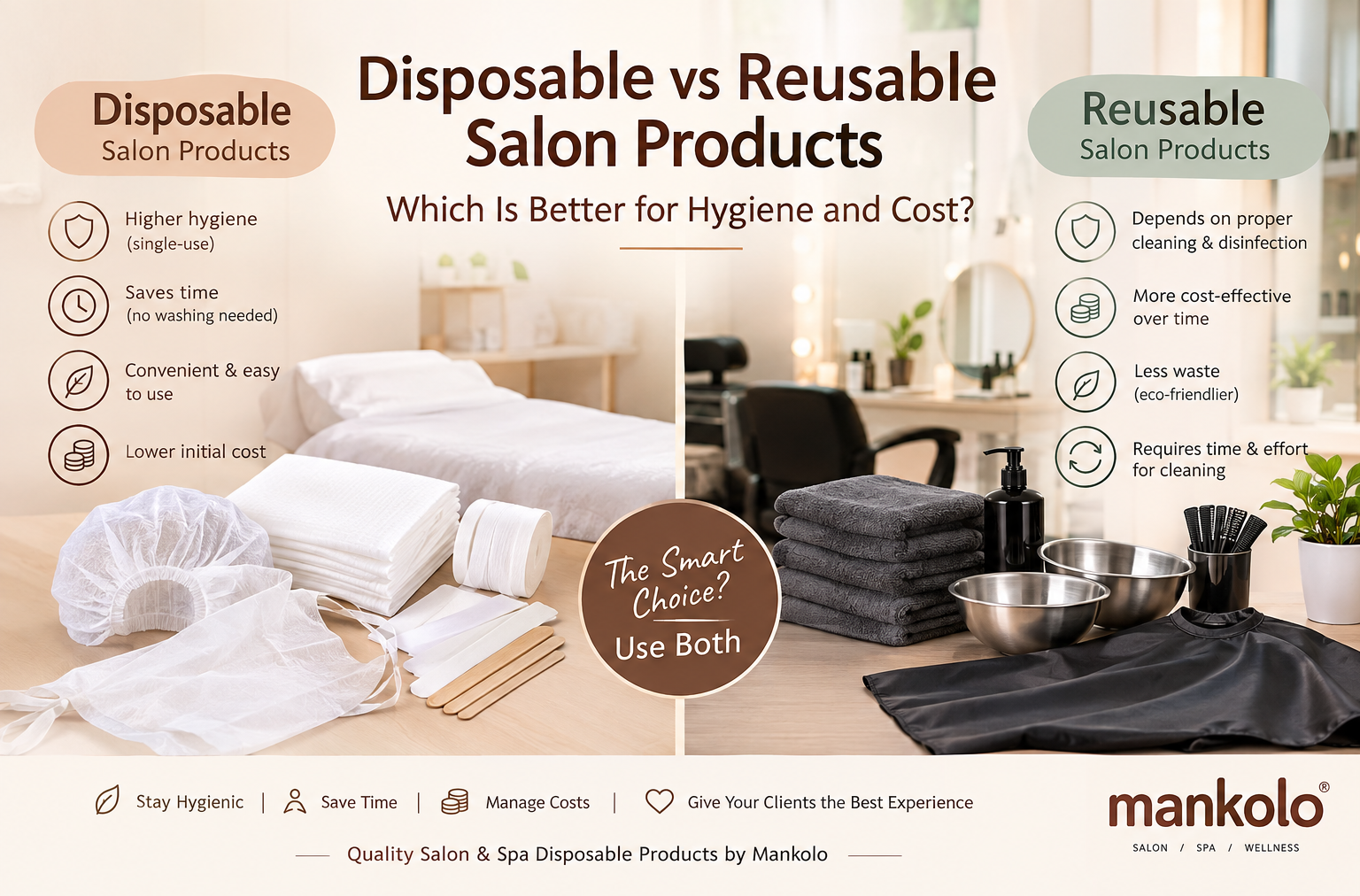
Salons, spas, hotels, and wellness centers may use single-use products such as:
- Disposable spa robes
- Disposable underwear
- Bed sheets
- Pillow covers
- Shower caps
- Hair-processing caps
- Waxing strips
- Disposable towels
- Aprons
Single-use products can be useful in appropriate settings when incorporated into properly designed hygiene procedures.
Sustainable Beauty and Wellness Trends
Sustainability continues to influence purchasing decisions across the global beauty industry.
Consumers and businesses increasingly consider:
- Packaging reduction
- Responsible sourcing
- Reusable products where appropriate
- Waste reduction
- Efficient manufacturing
- Product durability
- Transparent supply chains
However, sustainability claims should be specific and supported rather than relying on vague terms such as “green” or “eco-friendly.”
Beauty Technology and AI-Powered Skincare
Technology is increasingly becoming part of personal beauty routines.
Emerging applications include:
- Digital skin analysis
- Virtual consultations
- AI-assisted product recommendations
- Smart beauty devices
- Routine-tracking applications
- Personalized product discovery
These technologies can make beauty experiences more convenient and personalized.
Their limitations should also be understood, particularly when users have medical skin concerns that require professional assessment.
Global Beauty and Wellness Trends by Region
India
India’s beauty and wellness market reflects growing interest in skincare, salon services, personal care, traditional wellness practices, and modern beauty technology.
United States
Consumers increasingly engage with personalized beauty, ingredient-focused skincare, wellness technology, fitness, and convenient self-care services.
Europe
European markets continue to influence discussions around skincare innovation, sustainability, product transparency, and responsible beauty.
Middle East
Luxury beauty, premium spas, skincare, wellness tourism, salon services, and hospitality-related wellness remain important across markets such as the UAE.
Asia-Pacific
South Korea, Japan, China, India, and other Asia-Pacific markets continue to influence skincare innovation, beauty technology, product formats, and consumer trends.
Regional differences mean global beauty brands should avoid treating every market as identical.
How to Build a Balanced Skincare and Wellness Routine
A practical routine does not need to be complicated.
Morning
- Cleanse as appropriate
- Moisturize
- Apply suitable sun protection
- Eat a balanced breakfast where possible
- Add some movement to the morning
During the Day
- Stay appropriately hydrated
- Take breaks from prolonged sitting
- Manage unnecessary digital distractions
- Maintain social interaction
- Spend some time outdoors when practical
Evening
- Remove makeup and cleanse
- Follow a simple skincare routine
- Create time for relaxation
- Reduce unnecessary screen use
- Maintain a consistent sleep schedule
The goal should be consistency rather than trying to follow an unrealistic “perfect” routine.
Common Skincare and Wellness Mistakes to Avoid
Following Every Viral Skincare Trend
Popular content is not automatically suitable for every skin type.
Using Too Many Active Ingredients
Combining multiple products without understanding them may increase irritation.
Ignoring Sun Protection
Sun protection is an important component of long-term skin care.
Treating Wellness as a Competition
Wellness routines should support everyday life rather than create additional pressure.
Ignoring Persistent Problems
Ongoing skin, sleep, or mental-health concerns may require appropriate professional support rather than additional lifestyle products.
Future of Skincare and Holistic Wellness
The future of Skincare and Wellness is likely to become increasingly personalized, technology-supported, preventive, and integrated into everyday lifestyles.
Important trends to watch include:
- AI-supported beauty technology
- Personalized skincare
- Skin barrier science
- Preventive skincare
- Smart beauty devices
- Sustainable product development
- Mindful living
- Sleep-focused wellness
- At-home wellness
- Holistic self-care
The broader direction is moving away from short-lived fixes toward sustainable routines that support long-term well-being.
Conclusion
Skincare Trends, Mental Well-Being, and Holistic Lifestyle Tips increasingly intersect as consumers take a broader view of beauty and personal wellness.
The most useful Skincare and Wellness Trends 2026 are not necessarily the most complicated. Gentle skincare, appropriate sun protection, sufficient sleep, regular movement, meaningful social connection, stress management, and sustainable self-care habits can form the foundation of a balanced lifestyle.
Technology, personalized skincare, professional wellness services, and beauty innovation will continue to evolve, but the future of wellness is ultimately about creating routines that are practical, responsible, and sustainable for everyday life.
Frequently Asked Questions (FAQs)
1. What are the biggest Skincare Trends in 2026?
Major skincare trends include skin barrier care, simplified routines, personalized skincare, preventive care, beauty technology, sustainable beauty, and greater attention to long-term skin health.
2. What is a Holistic Lifestyle?
A holistic lifestyle considers physical, mental, social, environmental, and personal well-being together rather than focusing on only one area of health.
3. What is Skinimalism?
Skinimalism is a simplified skincare approach that focuses on fewer purposeful products rather than using unnecessarily complicated routines.
4. Why is Mental Well-Being important for a healthy lifestyle?
Mental well-being affects how people function, manage stress, maintain relationships, make decisions, and engage with everyday activities.
5. What are some simple Healthy Skin Tips?
A simple approach can include gentle cleansing, appropriate moisturization, sun protection, avoiding unnecessary irritation, and seeking professional advice for persistent concerns.
6. How can I practice Self-Care every day?
Self-care can include adequate sleep, regular movement, relaxation, social connection, time outdoors, healthy boundaries, and manageable personal-care routines.
7. Are AI skincare tools useful?
AI-supported tools may help with product discovery, routine tracking, and general skin analysis, but they should not replace qualified medical assessment for skin conditions.
8. Why are at-home wellness routines becoming popular?
At-home routines offer convenience, privacy, flexibility, and an accessible way to incorporate relaxation and personal care into daily life.
9. How are salons and spas improving hygiene?
Professional businesses may combine cleaning protocols, staff hygiene practices, equipment sanitation, and appropriate single-use products to reduce cross-contamination risks.
10. What is the future of Beauty and Wellness?
The future of beauty and wellness is likely to focus on personalized skincare, technology-supported routines, preventive care, sustainable products, mindful living, sleep, and more integrated approaches to personal well-being.