
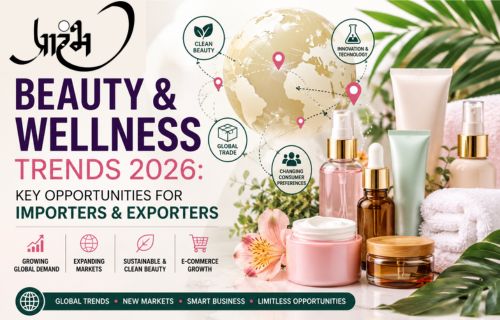
Beauty and Wellness Industry
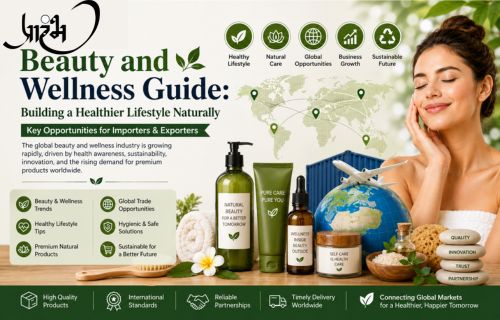
The global Beauty and Wellness Industry is entering a transformative era in 2026, driven by evolving consumer preferences, technological innovation, sustainability, and international trade. Consumers are increasingly investing in personal care, skincare, salon services, spa experiences, and wellness products, creating enormous opportunities for manufacturers, importers, exporters, distributors, wholesalers, and retailers worldwide.
The demand for premium beauty products, disposable salon supplies, spa consumables, hair coloring accessories, and wellness essentials continues to grow across North America, Europe, the Middle East, Asia-Pacific, and Africa. Businesses that understand emerging market trends and build strong international partnerships can successfully expand their presence in global markets.
For importers and exporters, 2026 presents significant opportunities to source innovative products, collaborate with reliable OEM manufacturers, develop private label brands, and strengthen international distribution networks. Companies focusing on quality, sustainability, regulatory compliance, and customer satisfaction are well-positioned to succeed in the competitive beauty and wellness industry.
Understanding the Global Beauty and Wellness Industry
The Beauty and Wellness industry encompasses skincare, haircare, cosmetics, salon products, spa supplies, wellness accessories, hygiene products, personal care items, and professional beauty equipment. It serves individual consumers, beauty salons, spas, wellness centers, hotels, healthcare facilities, and hospitality businesses.
The rapid growth of e-commerce, social media marketing, influencer recommendations, and digital commerce has transformed how beauty products are discovered and purchased. International buyers now seek manufacturers capable of delivering innovative, high-quality products with customized branding and reliable supply chains.
Why the Beauty and Wellness Industry is Growing
Several factors continue to accelerate industry growth across global markets.
Growing Consumer Awareness
Consumers are becoming more conscious about skincare, hygiene, self-care, and healthy lifestyles. This shift has increased demand for premium-quality beauty and wellness products.
Expansion of Professional Beauty Services
Beauty salons, spas, wellness clinics, cosmetic centers, and luxury hotels are investing heavily in professional beauty products and disposable hygiene solutions to enhance customer satisfaction.
Growth in International Trade
Businesses increasingly source products globally to reduce manufacturing costs, improve product quality, and introduce innovative solutions to local markets.
Rising Disposable Income
Growing middle-class populations and increasing purchasing power across developing economies continue to drive demand for beauty and wellness products.
Top Beauty and Wellness Trends in 2026
Sustainable Beauty Products
Sustainability is no longer an option—it has become a necessity. Consumers increasingly prefer products manufactured using environmentally responsible processes and recyclable packaging.
Businesses are investing in:
- Eco-friendly packaging
- Recyclable materials
- Sustainable manufacturing
- Biodegradable products
- Ethical sourcing
- Cruelty-free production
Sustainability not only benefits the environment but also strengthens brand reputation and customer loyalty.
Clean Beauty Products
Consumers are carefully evaluating product ingredients before making purchasing decisions.
Clean beauty products generally feature:
- Natural ingredients
- Organic extracts
- Plant-based formulations
- Chemical-free alternatives
- Transparent ingredient labeling
Brands promoting transparency and product safety continue gaining consumer trust worldwide.
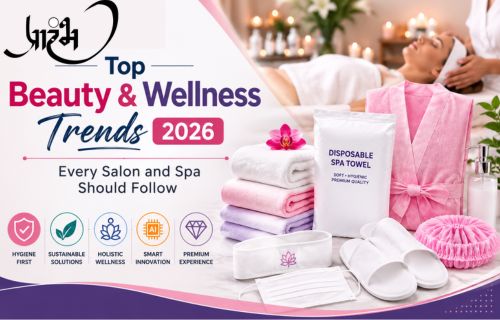
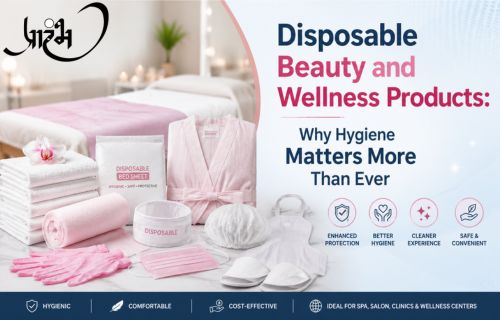
Disposable Salon and Spa Products
Professional hygiene standards remain a major priority for salons and spas.
High-demand disposable products include:
- Disposable salon capes
- Disposable spa robes
- Disposable bed sheets
- Disposable slippers
- Disposable underwear
- Disposable towels
- Hair coloring accessories
- Disposable headbands
- Salon aprons
These products help improve hygiene, reduce laundry costs, and provide customers with a safe and comfortable experience.
Personalized Beauty Solutions
Artificial Intelligence and digital technologies are enabling businesses to offer customized skincare routines, personalized beauty recommendations, and tailored wellness solutions.
Consumers increasingly prefer products designed specifically for their skin type, lifestyle, and personal preferences.
Wellness-Focused Lifestyle
Beauty has evolved beyond cosmetics. Modern consumers associate beauty with complete physical, mental, and emotional well-being.
Growing wellness categories include:
- Aromatherapy
- Spa therapy
- Holistic wellness
- Stress management
- Self-care products
- Personal hygiene
- Healthy aging
Key Opportunities for Importers
Importers can benefit from growing international demand by sourcing innovative and high-quality products from trusted manufacturers.
Major opportunities include:
- Disposable salon products
- Spa accessories
- Hair coloring tools
- Beauty consumables
- Personal hygiene products
- Wellness accessories
- Professional salon supplies
- Eco-friendly beauty products
- Private label cosmetics
- Sustainable packaging
Working with certified manufacturers ensures consistent product quality, timely deliveries, and regulatory compliance.
Key Opportunities for Exporters
Exporters can capitalize on increasing global demand by offering customized manufacturing, OEM services, and private label solutions.
Successful exporters focus on:
- Product quality
- International certifications
- Competitive pricing
- Efficient logistics
- Reliable customer service
- Flexible packaging
- Brand customization
Building long-term relationships with distributors, wholesalers, and retailers creates sustainable international growth.
Fastest Growing Beauty Product Categories
Several categories continue to experience exceptional growth.
- Disposable Spa Products
- Disposable Salon Products
- Hair Coloring Accessories
- Professional Salon Equipment
- Beauty Consumables
- Personal Care Products
- Wellness Accessories
- Eco-Friendly Beauty Products
- Organic Skincare Products
- Luxury Spa Supplies
These categories offer strong opportunities for manufacturers and exporters serving international markets.
Sustainable Manufacturing
Sustainability is becoming a major purchasing factor for international buyers.
Manufacturers adopting sustainable practices benefit from:
- Improved brand image
- Greater customer trust
- Increased export opportunities
- Better regulatory compliance
- Reduced environmental impact
Many retailers now prioritize suppliers committed to responsible manufacturing and environmentally friendly packaging.
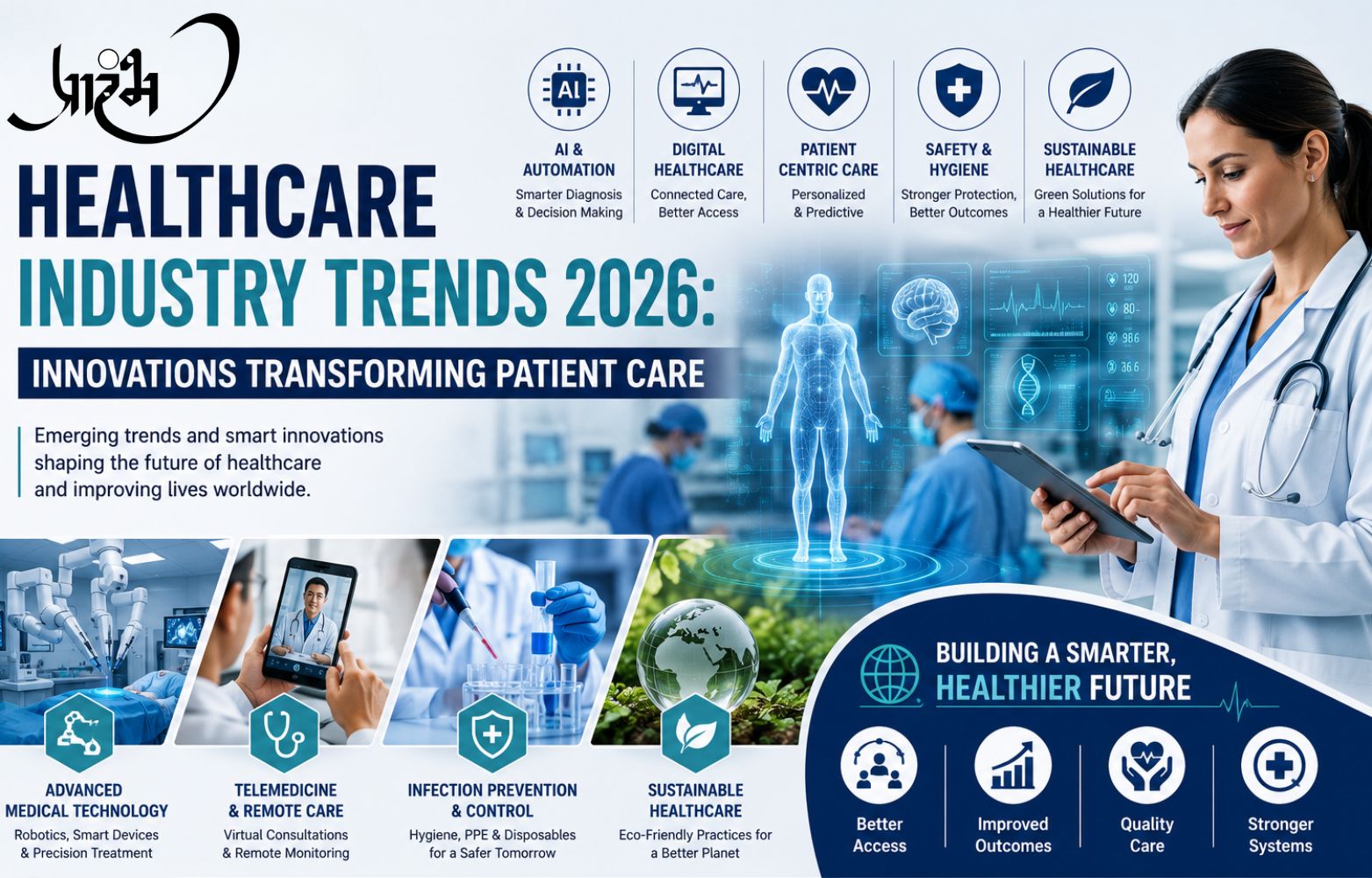
Digital Transformation in Beauty
Technology continues transforming the beauty and wellness industry.
Businesses increasingly utilize:
- Artificial Intelligence
- Customer analytics
- Online consultations
- Virtual product demonstrations
- Digital marketing
- E-commerce platforms
- Inventory automation
- Supply chain management software
Digital transformation improves customer experiences while increasing operational efficiency.
OEM and Private Label Manufacturing
OEM and private label manufacturing continue gaining popularity among international beauty brands.
Benefits include:
- Faster product launches
- Reduced manufacturing investment
- Customized branding
- Flexible packaging
- Consistent quality
- Scalable production
- Global distribution opportunities
This model enables businesses to establish unique brands without investing in production facilities.
Global Trade Challenges
Despite growing opportunities, businesses should address several international trade challenges.
Common challenges include:
- Supply chain disruptions
- Shipping delays
- Customs regulations
- Product compliance
- Quality consistency
- Currency fluctuations
- Market competition
- Import regulations
Businesses that develop resilient supply chains and diversify sourcing strategies can better manage these challenges.
How to Choose the Right Manufacturing Partner
Selecting the right manufacturing partner significantly impacts business success.
Consider the following factors:
- Manufacturing experience
- Product quality
- International certifications
- Production capacity
- OEM capabilities
- Private label services
- Export experience
- Quality control systems
- Customer support
- Delivery performance
Long-term partnerships with experienced manufacturers improve business stability and customer satisfaction.
Future Outlook for the Beauty and Wellness Industry
The future of the global beauty and wellness industry remains highly promising. Growing consumer awareness, expanding international trade, technological advancements, sustainability initiatives, and increasing demand for premium products will continue driving market growth.
Businesses investing in innovation, digital transformation, sustainable manufacturing, and customer-focused solutions will gain competitive advantages in global markets.
Importers and exporters that build reliable international partnerships, maintain consistent product quality, and adapt to changing consumer preferences will be well-positioned for long-term success.
Conclusion
Beauty and wellness trends in 2026 present exceptional opportunities for importers, exporters, manufacturers, distributors, and retailers worldwide. From sustainable beauty products and disposable salon supplies to OEM manufacturing and private label solutions, businesses have multiple avenues for growth in international markets.
Success depends on understanding market trends, maintaining high-quality standards, embracing innovation, complying with international regulations, and building trusted global partnerships. Companies that focus on customer needs, sustainability, and operational excellence will continue shaping the future of the global beauty and wellness industry.
Frequently Asked Questions (FAQs)
1. What are the biggest beauty and wellness trends in 2026?
The major trends include sustainable beauty products, clean beauty, disposable salon products, personalized skincare, AI-powered beauty solutions, wellness-focused lifestyles, and eco-friendly packaging.
2. Which beauty products have the highest export demand?
Disposable salon products, spa supplies, skincare products, beauty accessories, hair coloring tools, wellness products, and personal hygiene products are among the fastest-growing export categories.
3. Which countries offer the best opportunities for beauty product exports?
The United States, Canada, Germany, France, the United Kingdom, the UAE, Saudi Arabia, Australia, Japan, and Southeast Asian countries continue to experience strong demand for beauty and wellness products.
4. What is OEM manufacturing in the beauty industry?
OEM (Original Equipment Manufacturing) allows businesses to manufacture beauty products under another company’s brand while maintaining high production standards and customized specifications.
5. Why are disposable salon and spa products becoming popular?
Disposable products improve hygiene, reduce cross-contamination, enhance customer comfort, lower laundry costs, and support professional sanitation standards in salons and spas.
6. How is sustainability influencing the beauty industry?
Consumers increasingly prefer environmentally friendly products with recyclable packaging, responsible sourcing, biodegradable materials, and sustainable manufacturing practices.
7. What certifications are important for exporting beauty products?
Common certifications include ISO standards, GMP compliance, CE marking (where applicable), FDA registration (for relevant markets), and compliance with destination country regulations.
8. How can importers choose reliable beauty product manufacturers?
Importers should evaluate manufacturing experience, product quality, certifications, export capabilities, OEM services, production capacity, quality control systems, and customer support before selecting a supplier.
9. What challenges do beauty product exporters face?
Exporters commonly encounter customs regulations, logistics delays, international compliance requirements, supply chain disruptions, changing consumer preferences, and increasing global competition.
10. What is the future of the global beauty and wellness industry?
The industry is expected to continue growing through innovation, digital transformation, sustainable manufacturing, AI-driven personalization, expanding international trade, and increasing consumer demand for premium beauty and wellness products.