

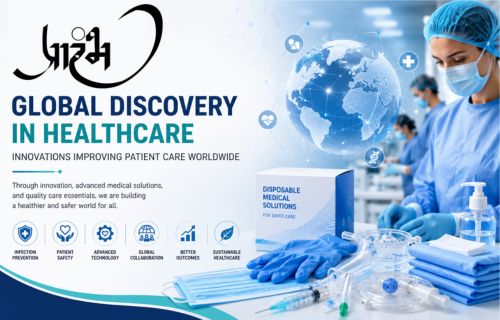
Global Discovery in Healthcare
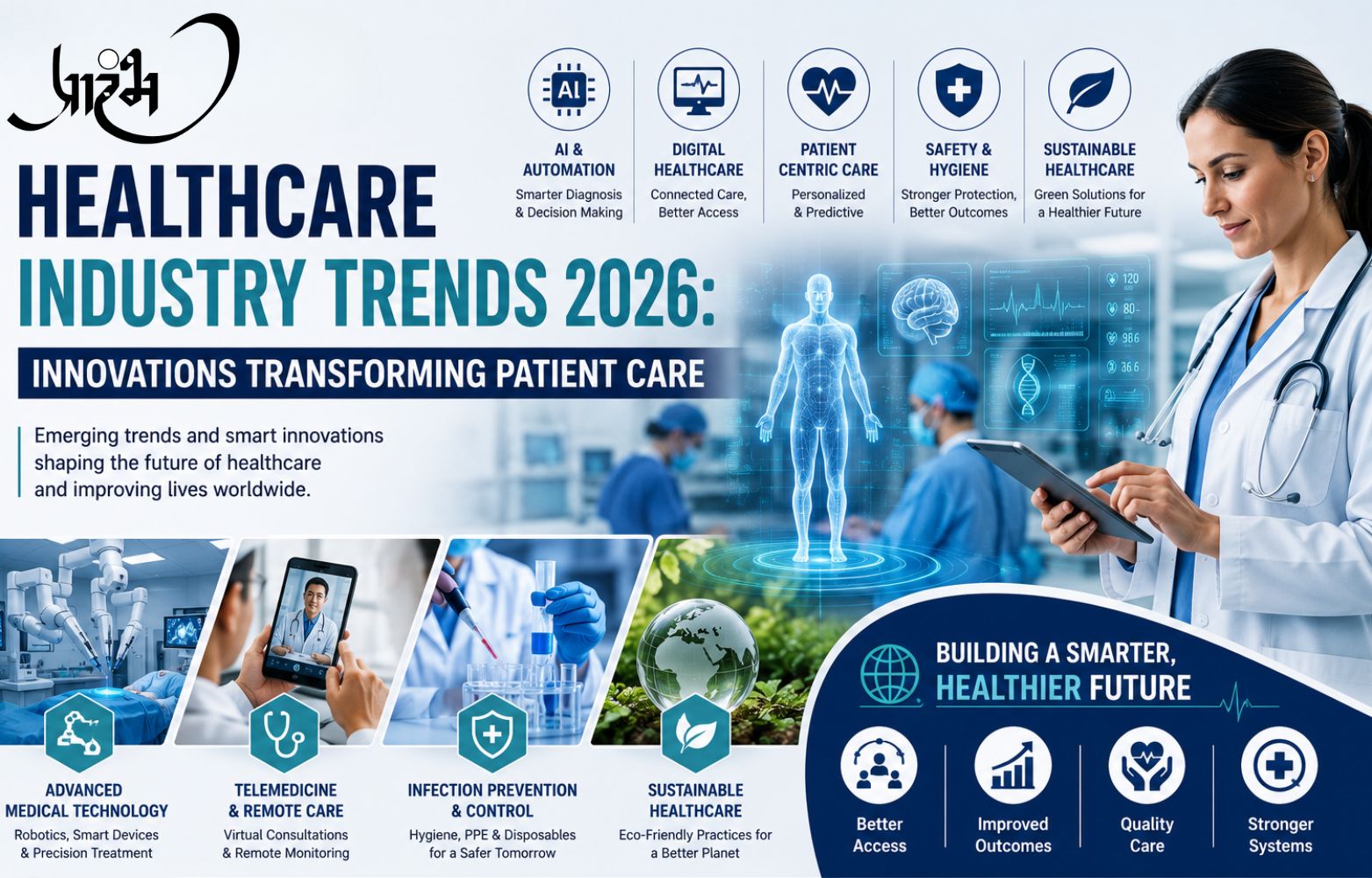
Healthcare is undergoing a remarkable transformation driven by scientific discoveries, advanced technologies, and innovative medical solutions. Around the world, healthcare providers are embracing digital transformation, artificial intelligence (AI), precision medicine, and smarter medical devices to improve patient outcomes and enhance the quality of care. Alongside these advancements, disposable medical products continue to play an equally important role by ensuring hygiene, reducing infection risks, and supporting safe clinical procedures.
Global discovery in healthcare is not only about breakthrough technologies but also about developing reliable medical products, improving manufacturing processes, and strengthening healthcare systems. Together, these innovations create safer hospitals, more efficient healthcare services, and better experiences for both patients and healthcare professionals.
What Is Global Discovery in Healthcare?
Global discovery in healthcare refers to the continuous advancement of medical science, healthcare technologies, innovative treatment methods, and high-quality medical products that improve patient care worldwide. It is powered by collaboration among healthcare professionals, researchers, medical manufacturers, technology companies, and regulatory organizations working together to address global healthcare challenges.
Whether it is the development of AI-powered diagnostic tools, innovative surgical techniques, or advanced disposable medical products, every discovery contributes to building stronger and more resilient healthcare systems.
Why Innovation Matters in Modern Healthcare
Healthcare innovation improves every stage of patient care—from disease prevention and diagnosis to treatment and recovery. Modern healthcare systems rely on innovative technologies and dependable medical products to deliver safe, effective, and efficient care.
Key benefits include:
- Improved patient safety
- Faster and more accurate diagnosis
- Better treatment outcomes
- Enhanced infection prevention
- Greater operational efficiency
- Increased healthcare accessibility
- Reduced healthcare costs
- Better clinical workflows
- Improved patient experiences
- Stronger public health systems
Innovation enables healthcare providers to respond more effectively to emerging diseases, growing patient populations, and evolving medical needs.
The Role of Disposable Medical Products in Patient Care
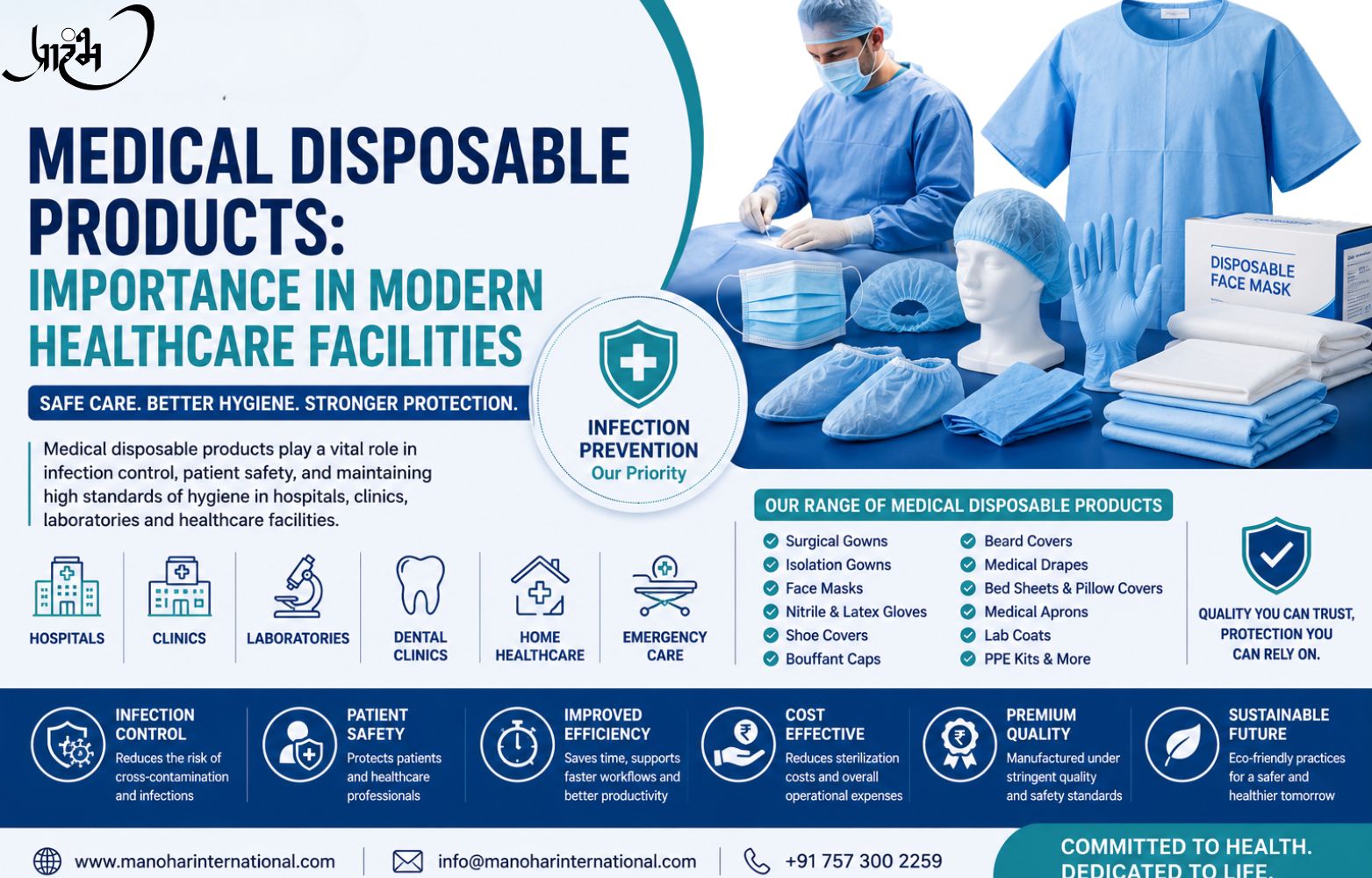
Disposable medical products are among the most important components of modern healthcare. Designed for single use, these products help maintain sterile environments, reduce cross-contamination, and support infection prevention across hospitals, clinics, laboratories, and emergency care facilities.
Common disposable medical products include:
- Surgical gloves
- Disposable syringes
- Face masks
- Surgical gowns
- IV infusion sets
- Medical drapes
- Catheters
- Examination gloves
- Protective apparel
- Sterile dressing materials
These essential medical consumables protect both patients and healthcare professionals while improving the overall quality of healthcare services.
Artificial Intelligence and Smart Healthcare
Artificial intelligence is transforming healthcare by supporting faster diagnoses, predictive analytics, and personalized treatment planning. AI-powered systems analyze large volumes of medical data, helping healthcare professionals make informed clinical decisions.
Applications include:
- Medical imaging analysis
- Early disease detection
- Clinical decision support
- Predictive healthcare analytics
- Drug discovery
- Administrative automation
When combined with reliable medical consumables and advanced healthcare equipment, AI contributes to more efficient and accurate patient care.
Advanced Medical Manufacturing Driving Healthcare Innovation
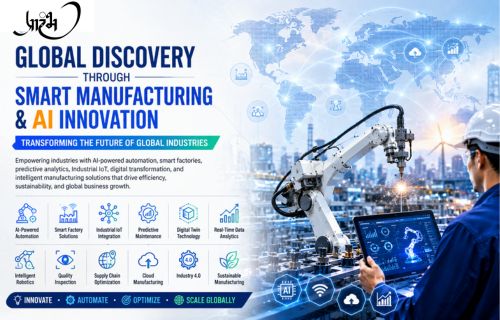
Medical manufacturing has evolved significantly with the adoption of automation, robotics, Industry 4.0, and intelligent quality control systems. These innovations ensure that disposable medical products are manufactured with exceptional precision, consistency, and compliance with international healthcare standards.
Modern manufacturing technologies provide:
- Automated production lines
- AI-powered quality inspection
- Real-time process monitoring
- Cleanroom manufacturing
- Sterile packaging systems
- Improved production efficiency
Advanced manufacturing enables healthcare providers worldwide to access high-quality disposable medical products that meet strict safety and regulatory requirements.
Infection Prevention Through Innovative Medical Solutions
Preventing healthcare-associated infections (HAIs) remains one of the highest priorities in healthcare. Innovation in infection prevention includes improved sterilization methods, antimicrobial technologies, advanced protective equipment, and reliable disposable medical consumables.
Healthcare facilities rely on disposable products because they:
- Reduce cross-contamination
- Maintain sterile clinical environments
- Improve surgical safety
- Support emergency care
- Protect healthcare professionals
- Enhance patient confidence
By combining innovative medical practices with quality disposable products, healthcare organizations can significantly improve patient safety and treatment outcomes.
Digital Transformation in Healthcare
Digital transformation is improving how healthcare organizations manage patient information, coordinate care, and optimize clinical operations.
Key digital innovations include:
- Electronic Health Records (EHR)
- Telemedicine
- Cloud-based healthcare systems
- Remote patient monitoring
- Healthcare analytics
- Mobile health applications
These technologies help healthcare providers deliver faster, more personalized, and data-driven care while improving communication between medical teams and patients.
Sustainability in Healthcare and Medical Manufacturing
Sustainability has become a major focus within the healthcare industry. Manufacturers are investing in environmentally responsible production methods while maintaining the highest standards of product safety and performance.
Current initiatives include:
- Energy-efficient manufacturing
- Reduced material waste
- Sustainable packaging
- Responsible sourcing
- Recycling initiatives
- Process optimization
These efforts help reduce environmental impact while ensuring reliable healthcare products remain available for global medical communities.
Benefits of Healthcare Innovation
Healthcare innovation creates lasting value for patients, providers, and healthcare organizations.
Major benefits include:
- Improved patient outcomes
- Better infection prevention
- Increased treatment efficiency
- Higher healthcare quality
- Reduced operational costs
- Greater access to medical care
- Enhanced medical manufacturing standards
- Stronger healthcare infrastructure
- Sustainable healthcare practices
- Increased patient satisfaction
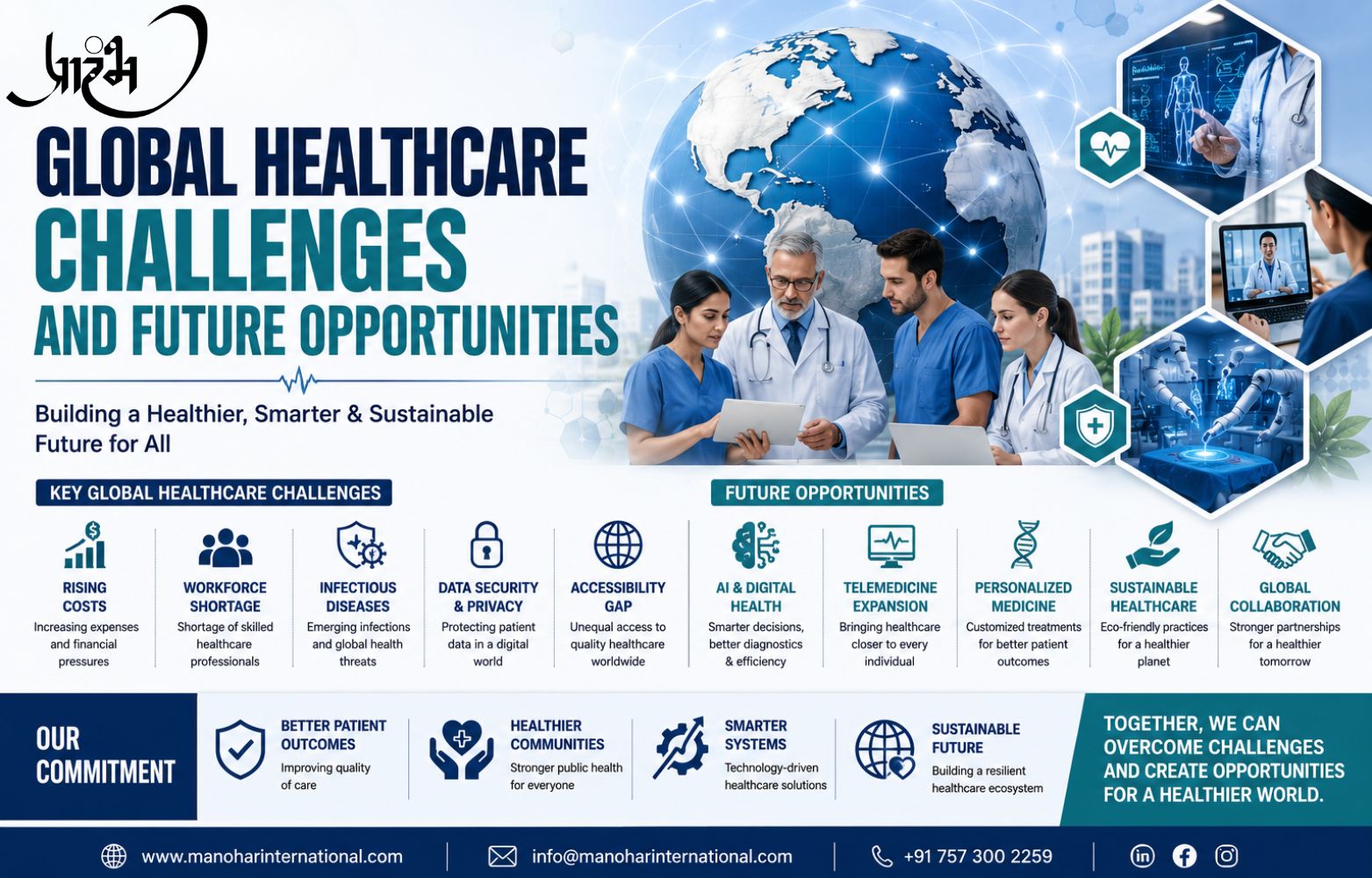
Challenges Facing the Healthcare Industry
Despite rapid advancements, healthcare organizations continue to face important challenges.
These include:
- Rising healthcare costs
- Supply chain disruptions
- Healthcare workforce shortages
- Cybersecurity risks
- Regulatory compliance
- Medical waste management
- Growing patient demand
- Global health emergencies
Continuous innovation and collaboration are essential to overcoming these challenges while maintaining high standards of patient care.
The Future of Global Healthcare
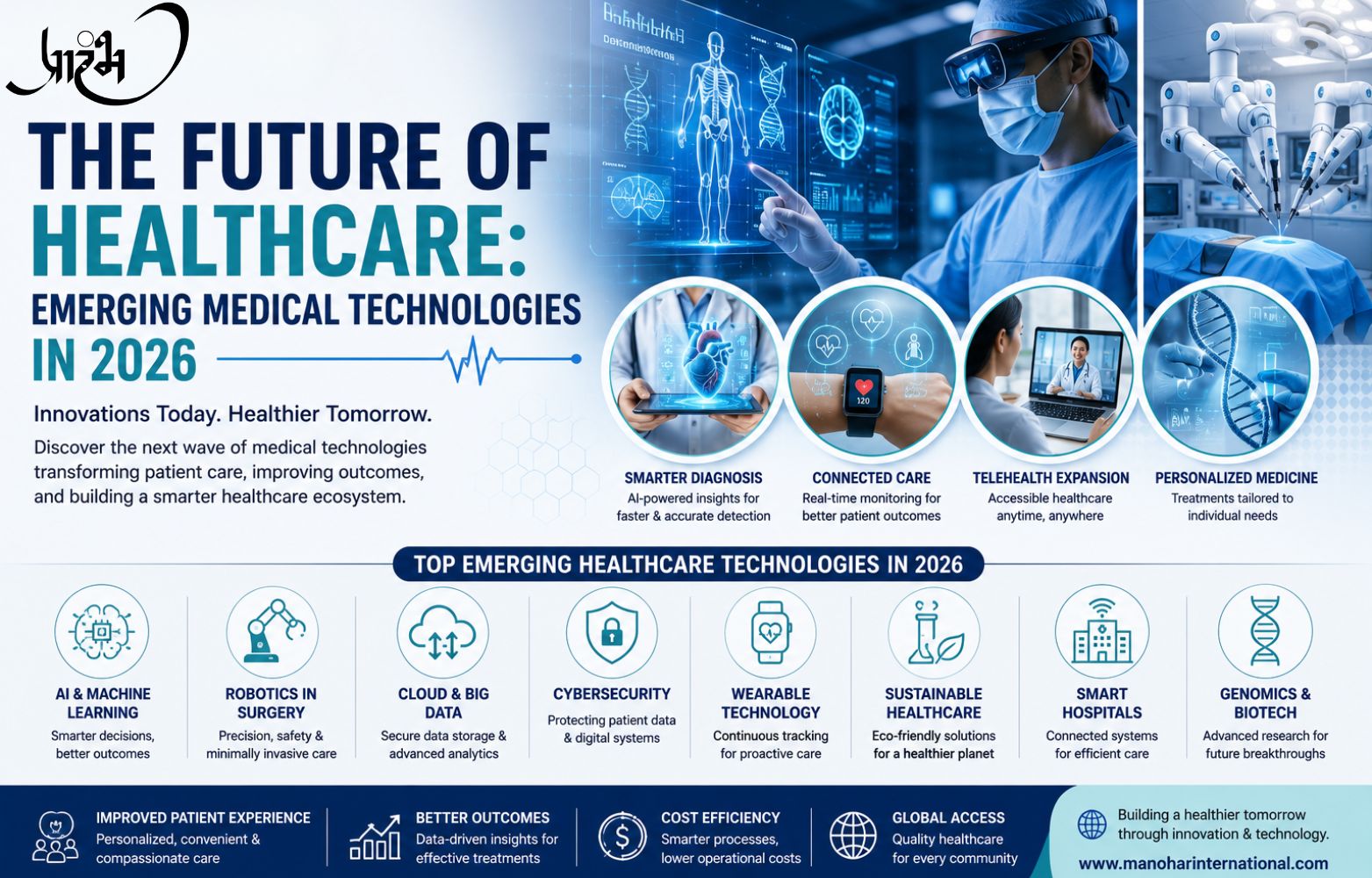
The future of healthcare will combine advanced technologies with reliable medical products to create smarter and more connected healthcare systems.
Emerging trends include:
- Artificial Intelligence
- Smart hospitals
- Precision medicine
- Robotics
- Wearable healthcare devices
- Sustainable medical manufacturing
- Intelligent medical supply chains
- Eco-friendly disposable medical products
- Advanced infection prevention solutions
- Personalized patient care
As these innovations continue to evolve, healthcare providers will be better equipped to deliver safe, efficient, and patient-centered care across the world.
Conclusion
Global discovery in healthcare continues to transform patient care through innovation, technology, and collaboration. While digital health, artificial intelligence, and precision medicine are reshaping healthcare delivery, disposable medical products remain a fundamental part of safe and effective clinical practice. High-quality medical consumables support infection prevention, improve operational efficiency, and protect both patients and healthcare professionals. By combining advanced medical technologies with innovative manufacturing and dependable healthcare products, the global healthcare industry is building a healthier, safer, and more sustainable future.
Frequently Asked Questions (FAQs)
1. What is global discovery in healthcare?
Global discovery in healthcare refers to the continuous development of medical technologies, healthcare practices, scientific research, and innovative medical products that improve patient care worldwide.
2. Why is healthcare innovation important?
Healthcare innovation improves diagnosis, treatment, patient safety, operational efficiency, and access to quality healthcare services.
3. How do disposable medical products improve patient care?
Disposable medical products help prevent cross-contamination, maintain hygiene, reduce healthcare-associated infections, and support safe medical procedures.
4. What are examples of disposable medical products?
Examples include surgical gloves, disposable syringes, face masks, IV infusion sets, surgical gowns, examination gloves, medical drapes, catheters, and sterile dressings.
5. How does AI contribute to healthcare innovation?
AI assists with disease detection, medical imaging, predictive analytics, personalized treatment planning, and administrative efficiency.
6. Why is infection prevention important in healthcare?
Effective infection prevention protects patients and healthcare professionals, reduces hospital-acquired infections, and improves overall treatment outcomes.
7. How does advanced manufacturing improve medical products?
Modern manufacturing technologies improve product quality, sterility, consistency, regulatory compliance, and production efficiency.
8. What role does sustainability play in healthcare?
Sustainable manufacturing practices help reduce environmental impact while ensuring the continued production of safe and reliable medical products.
9. What are the biggest healthcare trends today?
Artificial intelligence, digital health, precision medicine, smart hospitals, wearable devices, and innovative disposable medical products are among today’s leading healthcare trends.
10. What is the future of global healthcare?
The future of healthcare lies in combining advanced technologies, patient-centered care, sustainable manufacturing, and innovative disposable medical solutions to create safer, more efficient healthcare systems worldwide.









3 Responses
hello
This is a nice blog
Wow