
Medical Disposable Products
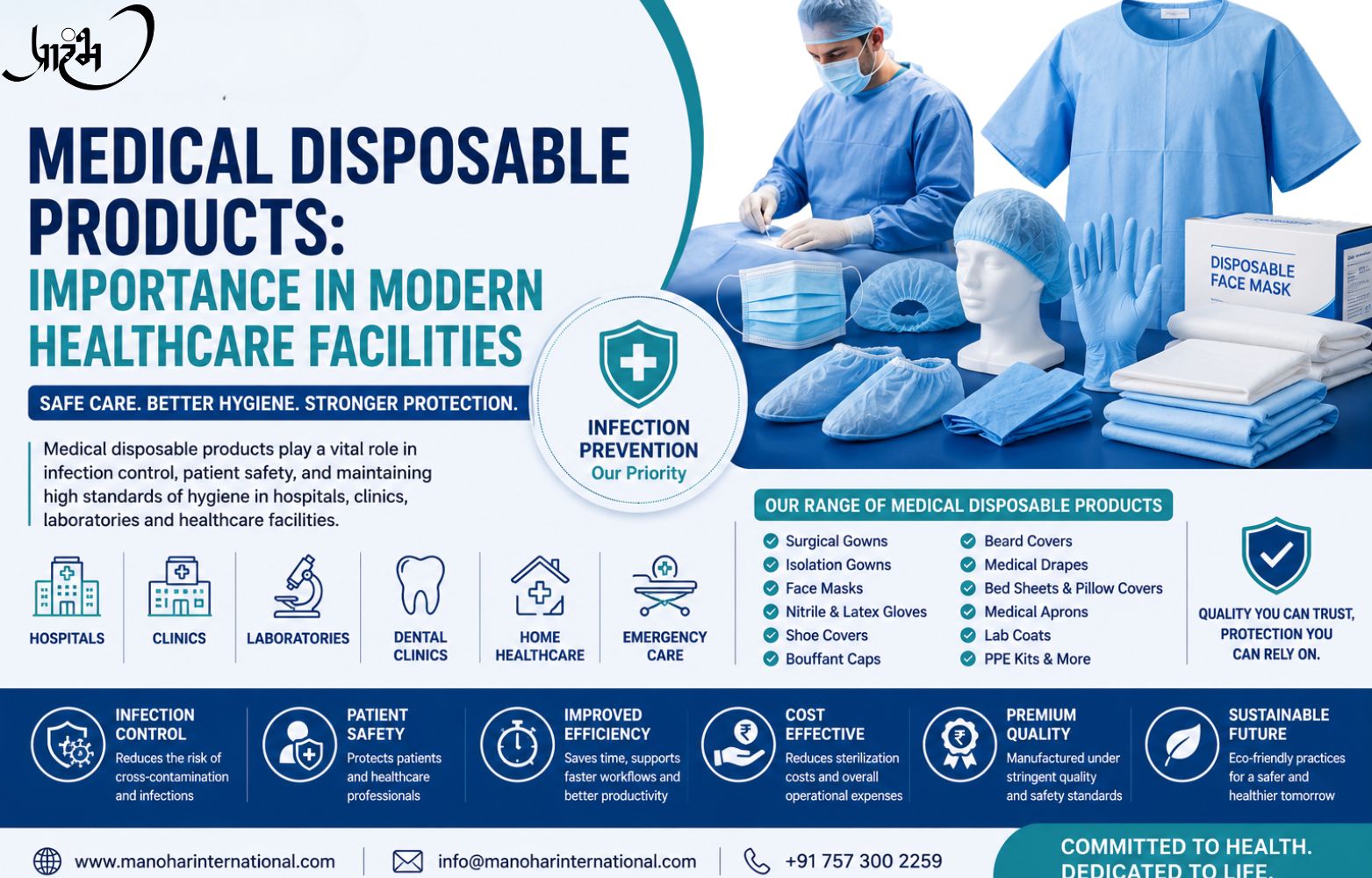
Medical Disposable Products have become an essential part of modern healthcare facilities by helping hospitals, clinics, diagnostic centers, laboratories, and healthcare professionals maintain high standards of hygiene, infection prevention, and patient safety. Designed for single use, these products reduce the risk of cross-contamination while improving operational efficiency across healthcare environments.
With increasing awareness about healthcare-associated infections (HAIs), strict regulatory standards, and growing patient expectations, the demand for medical disposable products continues to rise worldwide. From surgical gowns and face masks to examination gloves and medical drapes, disposable medical supplies play a vital role in delivering safe, reliable, and high-quality healthcare services.
This guide explains the importance of medical disposable products, their applications, benefits, and why they remain indispensable in modern healthcare facilities.
What Are Medical Disposable Products?
Medical Disposable Products are single-use healthcare products designed to be used once and safely discarded after use. They help minimize the spread of infections while maintaining cleanliness and patient safety.
These products are widely used in:
- Hospitals
- Clinics
- Diagnostic centers
- Laboratories
- Surgical centers
- Dental clinics
- Emergency care units
- Home healthcare
- Nursing homes
- Ambulatory care centers
Disposable products are manufactured under strict quality standards to support infection prevention and efficient patient care.
Why Medical Disposable Products Are Essential in Healthcare
Modern healthcare facilities rely on disposable medical supplies to create a safe environment for patients, healthcare professionals, and visitors.
Major benefits include:
- Reducing cross-contamination
- Preventing healthcare-associated infections
- Improving hospital hygiene
- Supporting patient safety
- Saving sterilization time
- Enhancing operational efficiency
- Meeting infection control protocols
- Ensuring consistent product quality
- Simplifying waste management
- Supporting emergency preparedness
Single-use products help healthcare providers maintain consistent hygiene standards throughout patient care.
Common Types of Medical Disposable Products
Healthcare facilities use a wide range of disposable medical supplies every day.
Popular products include:
- Disposable Surgical Gowns
- Isolation Gowns
- Disposable Face Masks
- Nitrile Gloves
- Latex Gloves
- Examination Gloves
- Disposable Shoe Covers
- Disposable Beard Covers
- Bouffant Caps
- Surgical Caps
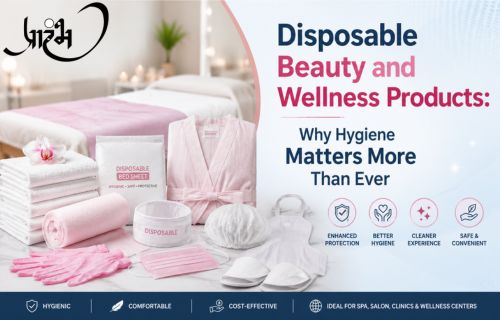
- Disposable Bed Sheets
- Pillow Covers
- Medical Drapes
- Medical Aprons
- Lab Coats
- PPE Kits
Each product serves a specific purpose in protecting healthcare workers and patients.
Role of Medical Disposable Products in Infection Control
Infection control is one of the primary reasons healthcare organizations use disposable products.
Disposable medical supplies help:
- Prevent cross-contamination
- Reduce pathogen transmission
- Protect healthcare workers
- Maintain sterile environments
- Support safe surgical procedures
- Improve patient outcomes
- Minimize exposure to infectious materials
Effective infection prevention is critical for reducing healthcare-associated infections.
Importance of Hospital Hygiene
Hospital hygiene directly affects patient recovery and healthcare quality.
Medical disposable products support hygiene by:
- Maintaining clean treatment environments
- Reducing contamination risks
- Supporting proper sanitation
- Preventing environmental exposure
- Improving healthcare safety
Consistent hygiene practices build patient confidence and improve healthcare quality.
Benefits of Single-Use Medical Products
Single-use products offer several operational and clinical advantages.
Enhanced Patient Safety
Disposable products reduce infection risks during medical procedures.
Improved Efficiency
Healthcare staff spend less time cleaning and sterilizing reusable equipment.
Reliable Product Performance
Every patient receives a new, uncontaminated product.
Better Compliance
Disposable products help healthcare facilities comply with infection prevention guidelines and quality standards.
Reduced Operational Costs
Eliminating repeated sterilization can lower maintenance and labor costs for many healthcare applications.
Medical Disposable Products Used in Different Healthcare Facilities
Hospitals
Hospitals use disposable products for surgeries, emergency care, intensive care, patient wards, and outpatient services.
Clinics
Clinics rely on disposable gloves, masks, gowns, and examination supplies for routine patient care.
Diagnostic Centers
Diagnostic laboratories use disposable products to maintain specimen integrity and reduce contamination.
Dental Clinics
Dental professionals use disposable PPE, masks, gloves, and protective barriers to ensure patient safety.
Home Healthcare
Disposable medical supplies support safe patient care outside traditional healthcare facilities.
Medical PPE in Modern Healthcare
Personal Protective Equipment (PPE) protects healthcare workers from exposure to infectious materials.
Essential PPE products include:
- Face Masks
- N95 Respirators
- Surgical Gowns
- Isolation Gowns
- Disposable Gloves
- Shoe Covers
- Head Covers
- Face Shields
- Protective Coveralls
- Medical Aprons
Proper PPE usage improves workplace safety while reducing infection risks.
Quality Standards for Medical Disposable Products
Reliable medical disposable products should meet recognized quality and safety requirements.
Important considerations include:
- Product quality
- Material safety
- Manufacturing consistency
- Sterility (where applicable)
- Regulatory compliance
- Packaging integrity
- Traceability
- User comfort
Healthcare providers should purchase products from reputable manufacturers that follow applicable national and international standards.
Sustainability in Medical Disposable Products
The healthcare industry continues exploring sustainable solutions while maintaining patient safety.
Current initiatives include:
- Eco-friendly packaging
- Responsible waste segregation
- Recycling programs where feasible
- Resource-efficient manufacturing
- Environmentally conscious product development
Balancing sustainability with infection prevention remains an important focus for healthcare organizations.
Emerging Trends in Medical Disposable Products
Several innovations are shaping the future of disposable healthcare supplies.
These include:
- Sustainable medical materials
- Smart packaging
- Improved nonwoven fabrics
- Lightweight protective apparel
- Enhanced barrier protection
- Digital inventory management
- Automated supply chain systems
- Advanced manufacturing technologies
These innovations continue improving product performance and healthcare efficiency.
Best Practices for Healthcare Facilities
Healthcare organizations should:
- Use certified disposable medical products
- Follow infection prevention protocols
- Train healthcare professionals on proper PPE usage
- Maintain adequate inventory levels
- Implement effective waste management systems
- Purchase from trusted manufacturers
- Monitor product quality
- Follow local healthcare regulations
- Regularly review infection control procedures
- Promote patient safety at every stage of care
Conclusion
Medical Disposable Products are fundamental to modern healthcare facilities. They support infection prevention, improve hospital hygiene, enhance patient safety, and help healthcare professionals deliver efficient and reliable medical care.
As healthcare continues evolving, high-quality disposable medical supplies will remain essential for hospitals, clinics, laboratories, and healthcare providers worldwide. By selecting reliable products, maintaining strict hygiene practices, and adopting innovative healthcare solutions, medical facilities can continue delivering safe and effective patient care.
Frequently Asked Questions (FAQs)
1. What are Medical Disposable Products?
Medical Disposable Products are single-use healthcare products designed to reduce contamination, improve hygiene, and support patient safety in healthcare facilities.
2. Why are Medical Disposable Products important?
They help prevent infections, reduce cross-contamination, improve hospital hygiene, protect healthcare professionals, and support high standards of patient care.
3. Where are Medical Disposable Products used?
They are used in hospitals, clinics, diagnostic laboratories, surgical centers, dental clinics, nursing homes, emergency care units, and home healthcare settings.
4. What are the most common Medical Disposable Products?
Common products include surgical gowns, isolation gowns, gloves, face masks, shoe covers, beard covers, bouffant caps, medical drapes, disposable bed sheets, and PPE kits.
5. How do Medical Disposable Products support Infection Control?
They minimize the transfer of microorganisms between patients, healthcare workers, medical equipment, and healthcare environments by providing clean, single-use protective barriers.
6. What is the role of PPE in healthcare facilities?
Personal Protective Equipment protects healthcare workers and patients by reducing exposure to infectious materials during examinations, treatments, and surgical procedures.
7. How do Medical Disposable Products improve Hospital Hygiene?
They reduce contamination, eliminate the need for repeated sterilization of many items, and help maintain clean treatment environments throughout healthcare facilities.
8. What should healthcare facilities consider when selecting Medical Disposable Products?
Healthcare facilities should evaluate product quality, safety, material performance, regulatory compliance, packaging integrity, supplier reliability, and suitability for intended clinical use.
9. Are sustainable Medical Disposable Products becoming more common?
Yes. Manufacturers are investing in eco-friendly materials, sustainable packaging, responsible manufacturing processes, and waste reduction initiatives while maintaining healthcare safety standards.
10. What is the future of Medical Disposable Products?
The future includes advanced nonwoven materials, improved barrier protection, sustainable product development, smart inventory systems, digital supply chain management, and continuous innovation to enhance patient safety and healthcare efficiency.