
Global Trade Trends
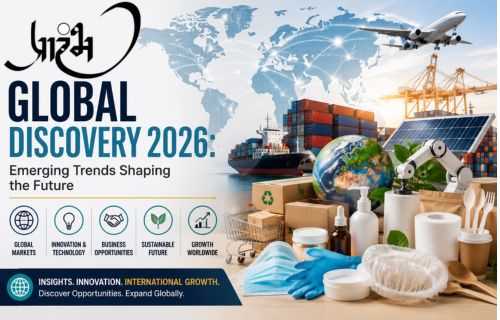
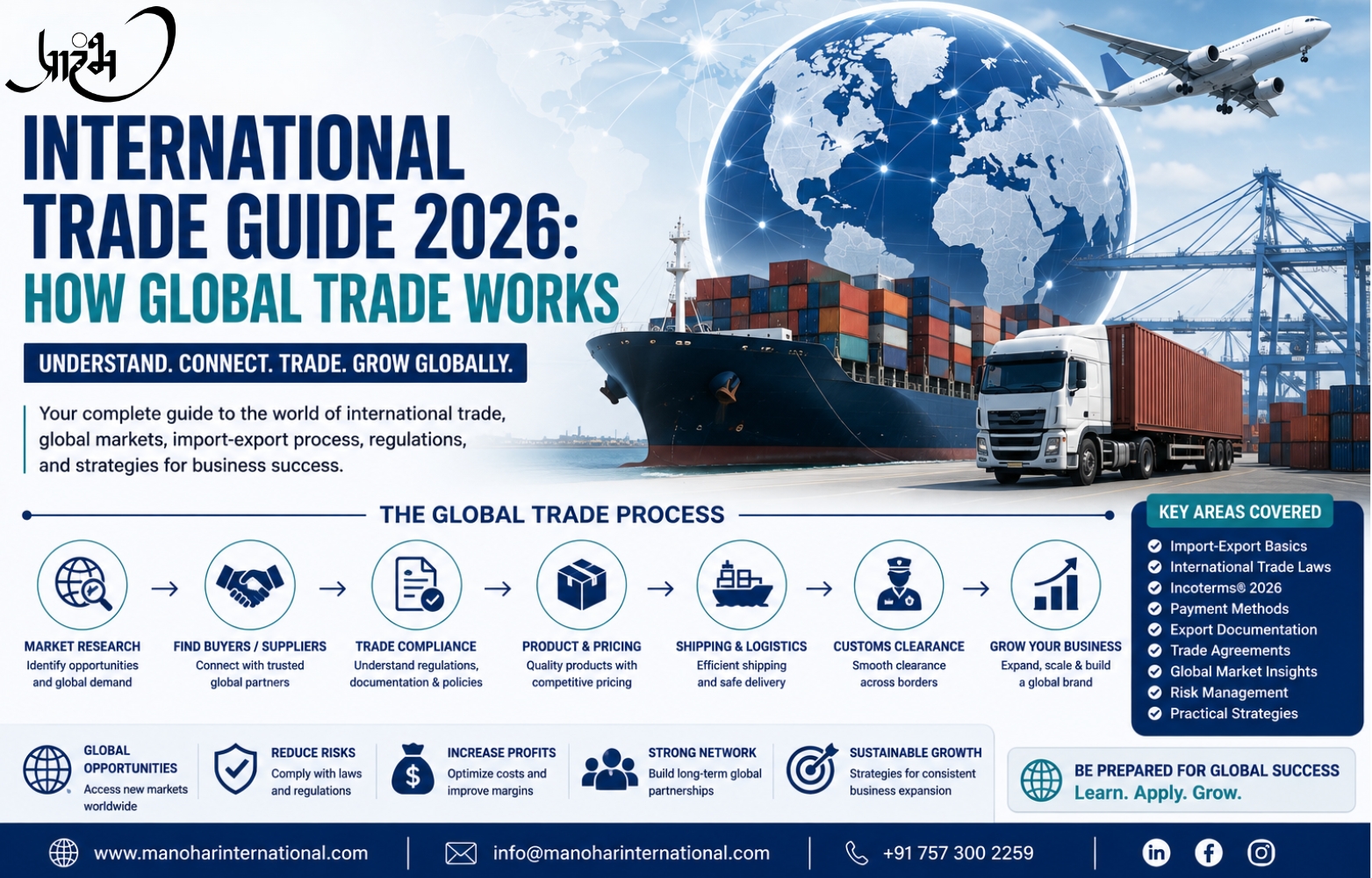
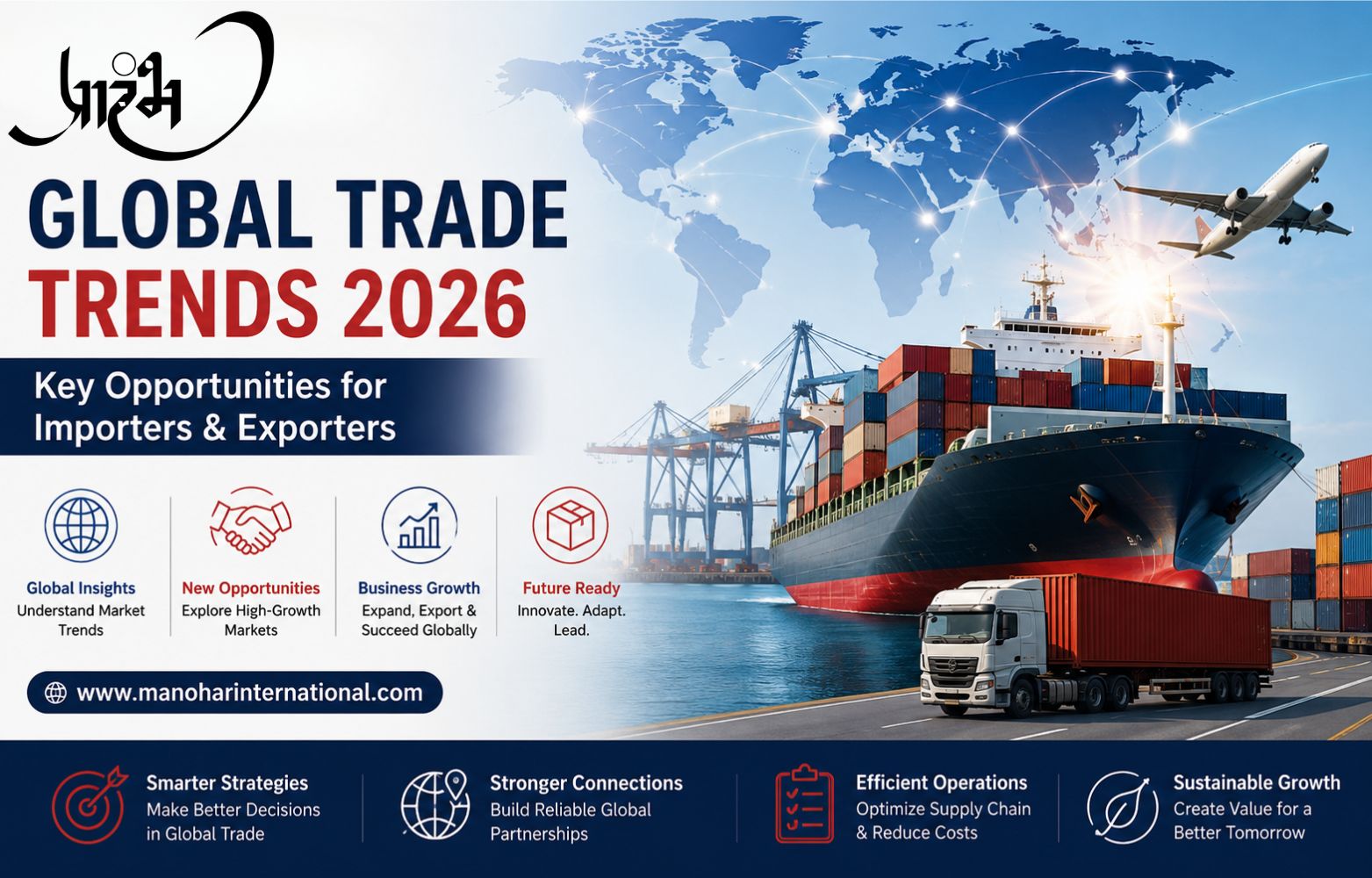
Global Trade Trends are evolving rapidly as businesses adapt to changing supply chains, digital technologies, sustainability goals, and emerging international markets. In 2026, companies involved in international trade, import export business, and global commerce have more opportunities than ever to expand their reach and build profitable global partnerships.
Whether you are a manufacturer, exporter, importer, distributor, wholesaler, or entrepreneur, understanding the latest global trade trends can help you identify new markets, reduce business risks, and improve long-term growth.
What Are Global Trade Trends?
Global Trade Trends refer to the changing patterns of international trade, including the movement of goods, services, technology, investments, and supply chains across countries.
These trends are influenced by factors such as:
- Digital transformation
- Global economic growth
- Manufacturing expansion
- Consumer demand
- Trade agreements
- Logistics innovations
- Artificial Intelligence (AI)
- Sustainability initiatives
- Cross-border eCommerce
Businesses that stay informed about these trends can make better sourcing, manufacturing, and export decisions.
Why Global Trade Trends Matter for Importers & Exporters
For businesses engaged in international trade, keeping up with global trade trends offers several advantages:
- Identify high-demand products in international markets
- Discover new export opportunities
- Build stronger relationships with international buyers
- Improve supply chain efficiency
- Expand into emerging global markets
- Reduce sourcing costs
- Increase business profitability
- Stay competitive in the global marketplace
Understanding these trends enables businesses to respond quickly to market changes and customer demands.
Top Global Trade Trends in 2026
1. Diversification of Global Supply Chains
Businesses are reducing dependency on a single sourcing destination by expanding manufacturing and procurement across multiple countries.
Key benefits include:
- Lower supply chain risks
- Improved delivery reliability
- Better inventory management
- Increased sourcing flexibility
Companies are actively exploring new manufacturing hubs to strengthen their global supply chain strategies.
2. Manufacturing in India Continues to Grow
India continues to strengthen its position as a preferred global manufacturing destination.
Growing sectors include:
- Medical disposable products
- Beauty and wellness products
- Textile manufacturing
- Engineering products
- Automotive components
- Pharmaceuticals
- Industrial products
International buyers increasingly view Manufacturing in India as a reliable option for quality production and competitive pricing.
3. Digital Transformation in International Trade
Technology is reshaping the import export business.
Businesses are adopting:
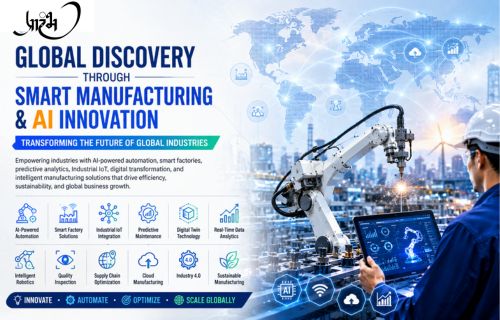
- AI-powered demand forecasting
- Digital documentation
- Electronic customs clearance
- Smart inventory systems
- Cloud-based supply chain management
- Digital procurement platforms
Digital transformation improves efficiency while reducing operational costs.
4. Growth of Global Commerce Through eCommerce
Cross-border eCommerce continues to create new opportunities for businesses of all sizes.
Manufacturers can now directly reach:
- International buyers
- Global distributors
- Retail chains
- Online marketplaces
- Business procurement platforms
This trend makes global expansion more accessible than ever before.
5. Increasing Demand for Sustainable Products
Environmental responsibility has become an important factor in global purchasing decisions.
International buyers increasingly prefer:
- Eco-friendly products
- Sustainable packaging
- Responsible manufacturing
- Waste reduction initiatives
- Environmentally conscious suppliers
Businesses adopting sustainable practices gain a competitive advantage in international markets.
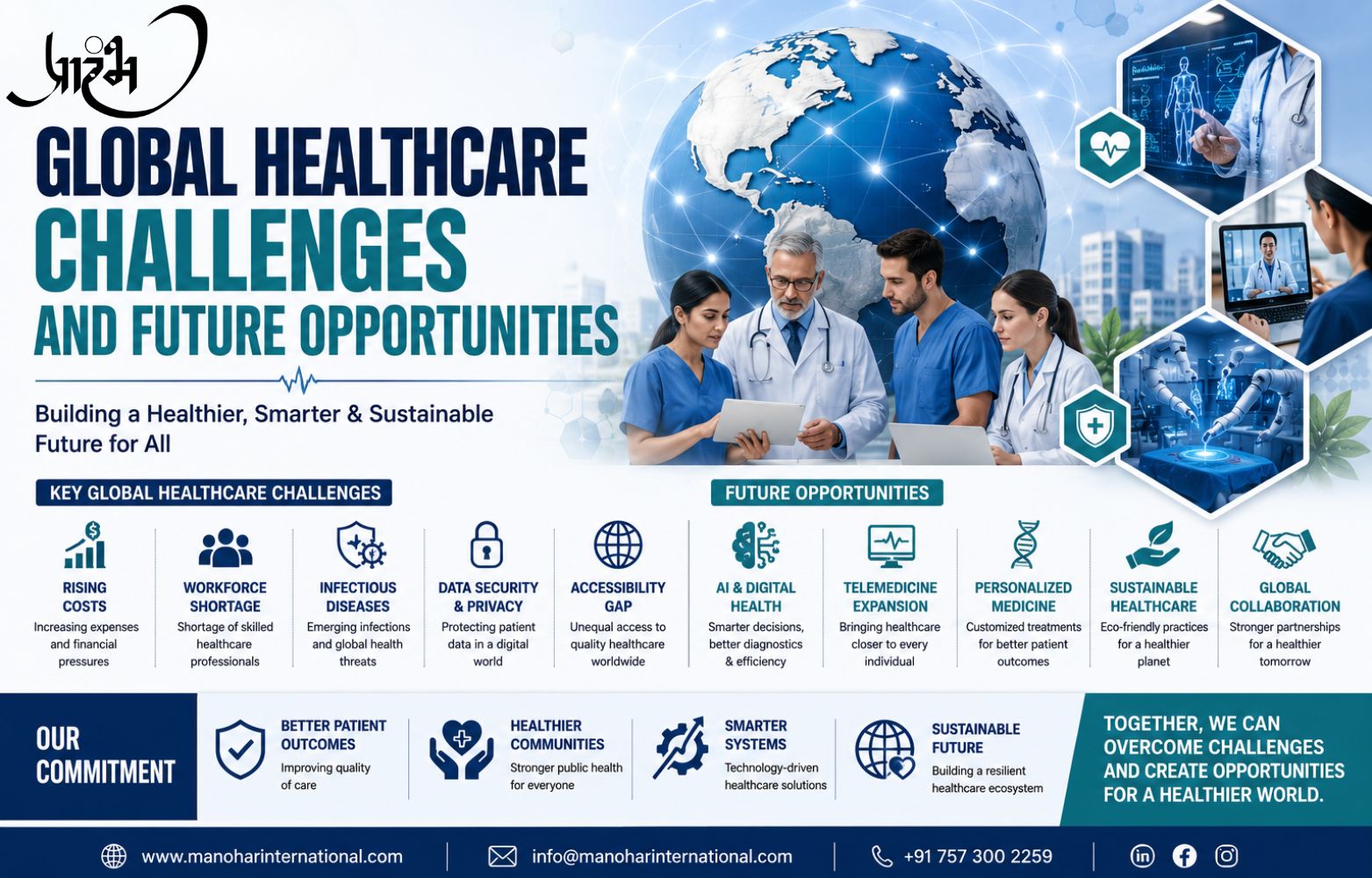
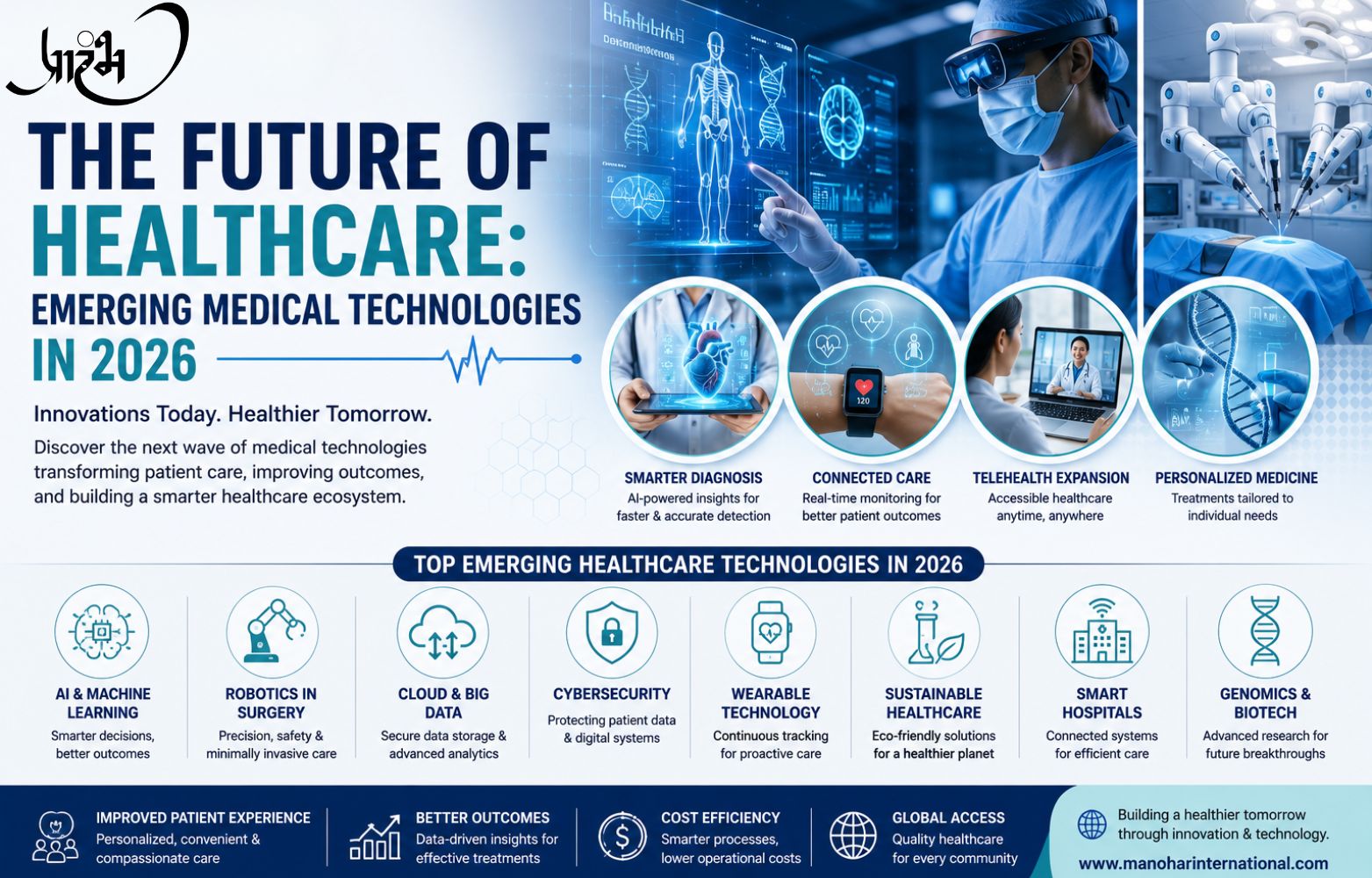
6. Expansion of Healthcare and Medical Trade
Healthcare remains one of the fastest-growing sectors in global commerce.
High-demand products include:
- Disposable medical products
- Personal protective equipment (PPE)
- Medical consumables
- Hospital supplies
- Infection prevention products
- Healthcare hygiene solutions
Growing healthcare investments continue to create opportunities for manufacturers and exporters.
7. Rising Demand in Beauty & Wellness Markets
The beauty and wellness industry continues to expand worldwide.
Popular export categories include:
- Disposable spa products
- Salon disposable products
- Beauty accessories
- Wellness supplies
- Personal care products
Businesses focusing on quality and innovation are attracting more international buyers.
8. AI Is Changing Global Trade
Artificial Intelligence is helping businesses improve decision-making through:
- Market research
- Customer demand prediction
- Inventory optimization
- Supplier analysis
- Trade documentation
- Procurement automation
AI enables importers and exporters to make faster and more informed business decisions.
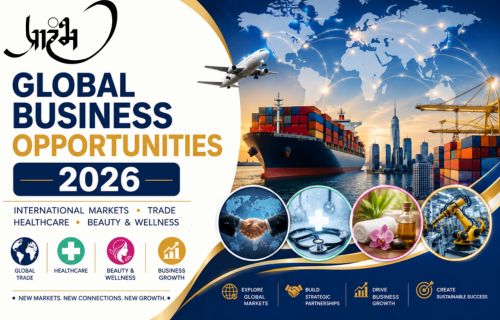
Emerging Global Trade Opportunities in 2026
Businesses can explore opportunities across several industries:
- Healthcare products
- Medical disposables
- Beauty and wellness products
- Industrial manufacturing
- Packaging solutions
- Sustainable products
- Hospitality supplies
- Consumer goods
- Food processing equipment
- Textile products
These sectors continue to experience growing international demand.
How Importers Can Benefit from Global Trade Trends
Importers can strengthen their businesses by:
- Diversifying supplier networks
- Building relationships with trusted manufacturers
- Monitoring international market demand
- Improving procurement strategies
- Using digital sourcing platforms
- Following global trade regulations
- Adopting data-driven purchasing decisions
How Exporters Can Expand Internationally
Exporters can grow their global presence by:
- Researching international markets
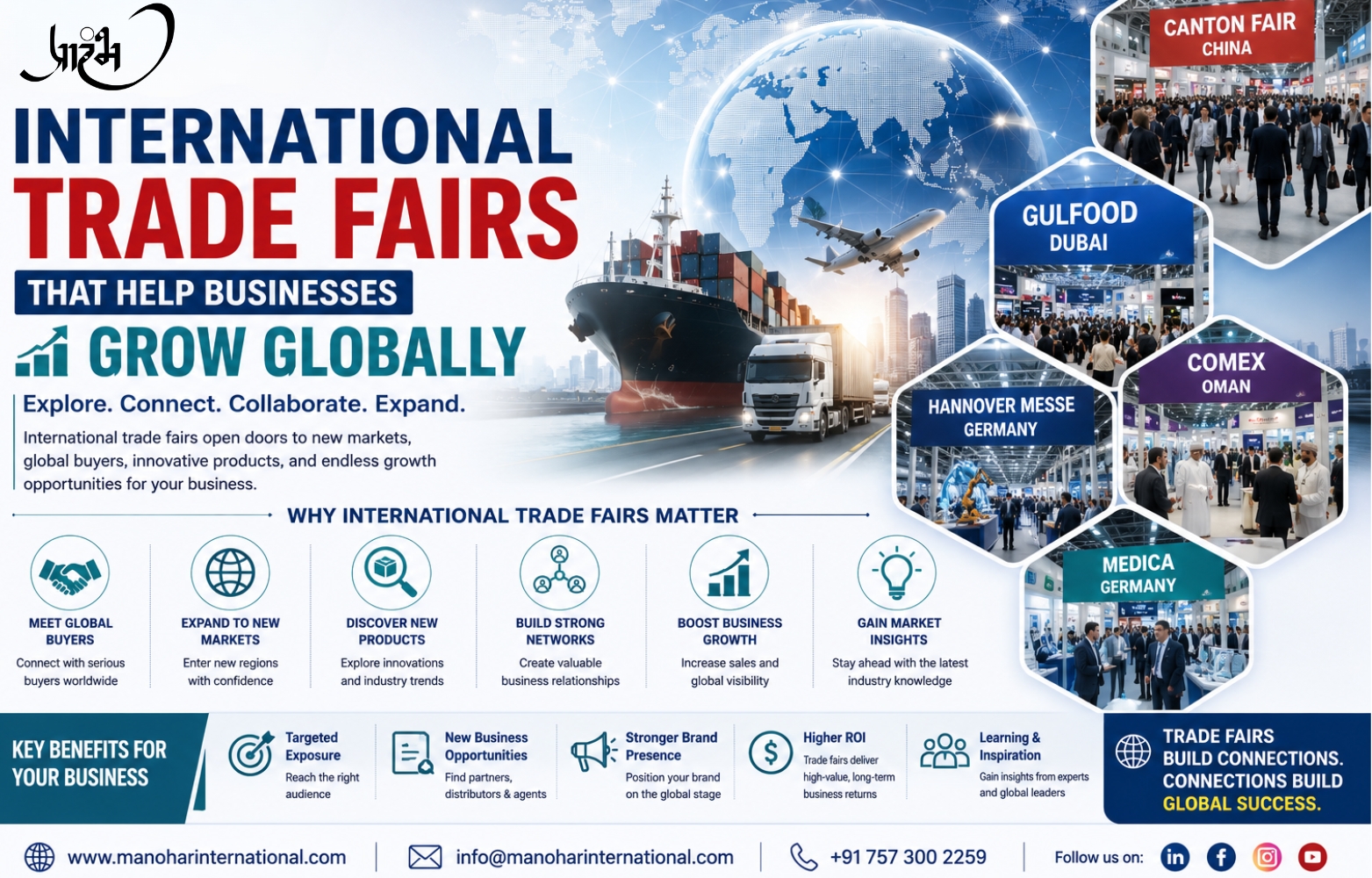
- Participating in international trade fairs
- Building export-ready product catalogs
- Improving product quality
- Meeting international compliance standards
- Investing in digital marketing
- Creating multilingual content
- Developing long-term relationships with global buyer
Challenges in Global Trade
Despite numerous opportunities, businesses should prepare for challenges such as:
- Supply chain disruptions
- Changing trade regulations
- Currency fluctuations
- Shipping delays
- Rising logistics costs
- Market competition
- Compliance requirements
Proactive planning helps businesses manage these risks effectively.
Future of Global Trade
The future of global commerce will be driven by:
- Artificial Intelligence
- Digital supply chains
- Sustainable manufacturing
- Smart logistics
- International collaboration
- Cross-border eCommerce
- Automation
- Advanced manufacturing technologies
Businesses that embrace innovation and continuously adapt to changing global trade trends will be well-positioned for long-term success.
Conclusion
Global Trade Trends 2026 present significant opportunities for businesses involved in international trade, import export business, and global commerce. From digital transformation and AI to sustainable manufacturing and expanding healthcare markets, companies that invest in innovation, quality, and strategic planning can strengthen their position in international markets.
By understanding emerging opportunities, building strong global partnerships, and staying informed about changing market dynamics, importers and exporters can achieve sustainable growth and remain competitive in the evolving world of international business.
Frequently Asked Questions (FAQs)
1. What are Global Trade Trends?
Global Trade Trends refer to the changing patterns, technologies, markets, and business practices that influence international trade and global commerce.
2. Why are Global Trade Trends important for importers and exporters?
They help businesses identify new markets, improve supply chains, reduce costs, and discover profitable global trade opportunities.
3. Which industries have the highest global trade opportunities in 2026?
Healthcare, beauty and wellness, manufacturing, industrial products, sustainable products, consumer goods, and technology sectors continue to show strong growth.
4. How is Artificial Intelligence changing international trade?
AI helps businesses with market analysis, demand forecasting, inventory management, supplier selection, documentation, and supply chain optimization.
5. Why is Manufacturing in India becoming popular?
India offers skilled manufacturing capabilities, competitive production costs, improving infrastructure, and growing export potential for international buyers.
6. What are the biggest challenges in global trade?
Supply chain disruptions, logistics costs, changing regulations, currency fluctuations, and increasing international competition are among the major challenges.
7. How can exporters find international buyers?
Businesses can connect with international buyers through trade fairs, B2B marketplaces, export promotion programs, digital marketing, industry networks, and professional business directories.
8. What is the role of sustainability in global trade?
Sustainability helps businesses meet buyer expectations, reduce environmental impact, improve brand reputation, and remain competitive in international markets.
9. What technologies are shaping the future of global commerce?
Artificial Intelligence, automation, cloud computing, digital documentation, blockchain, smart logistics, and data analytics are transforming international trade.
10. How can businesses prepare for future global trade opportunities?
Businesses should invest in digital transformation, market research, quality manufacturing, compliance, sustainable practices, export readiness, and continuous learning to stay competitive globally.