
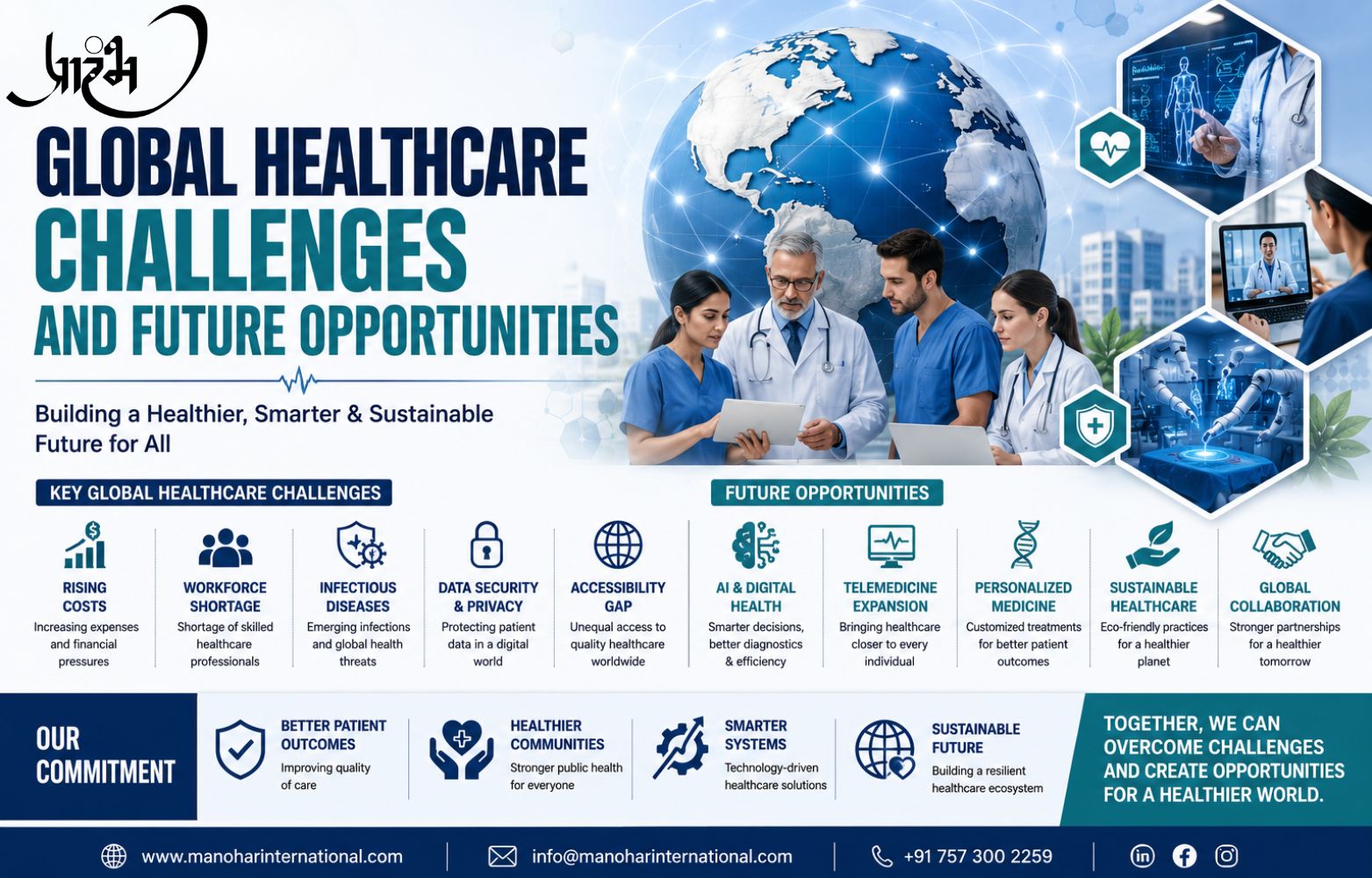
Global Healthcare
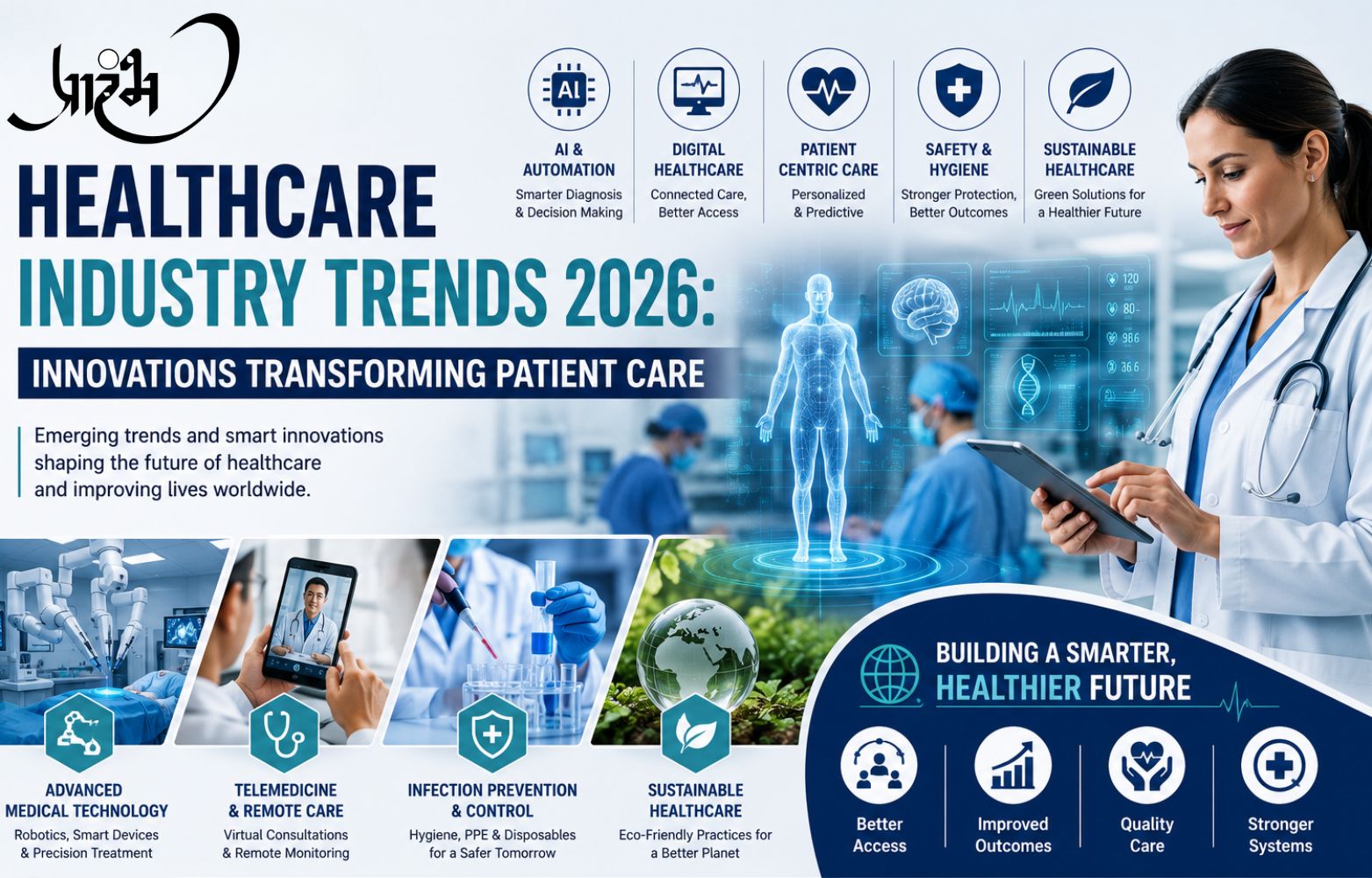
Global Healthcare continues to evolve as governments, healthcare providers, medical manufacturers, technology companies, and research organizations work together to improve patient care, strengthen healthcare systems, and address emerging health challenges. Rapid advancements in medical technology, digital healthcare, Artificial Intelligence (AI), and global collaboration are creating new opportunities while healthcare systems continue to face growing demands.
In 2026, healthcare organizations must balance innovation with accessibility, affordability, patient safety, and sustainability. Understanding the major healthcare challenges and future opportunities enables healthcare professionals, policymakers, and businesses to make informed decisions that improve healthcare outcomes worldwide.
What Is Global Healthcare?
Global Healthcare refers to the collective efforts of countries, healthcare organizations, medical professionals, researchers, and technology providers to improve health outcomes through accessible, high-quality, and sustainable healthcare services.
Global healthcare focuses on:
- Patient care
- Disease prevention
- Medical research
- Public health
- Healthcare innovation
- Medical technology
- Healthcare accessibility
- Hospital management
- Infection prevention
- Global health collaboration
The ultimate goal is to improve the quality of life while ensuring healthcare services are available to everyone.
Why Global Healthcare Matters
Strong healthcare systems contribute to healthier populations and stronger economies.
Key benefits include:
- Improved patient outcomes
- Better disease prevention
- Increased life expectancy
- Economic development
- Medical innovation
- Healthcare accessibility
- Stronger emergency preparedness
- Improved public health
- Higher quality healthcare services
- Sustainable healthcare systems
Healthcare remains one of the most important sectors supporting global development.
Major Global Healthcare Challenges in 2026
1. Rising Healthcare Costs
Healthcare expenses continue to increase due to:
- Advanced medical treatments
- Aging populations
- Chronic diseases
- Expensive medical technologies
- Infrastructure investments
Healthcare providers are seeking cost-effective solutions while maintaining high-quality patient care.
2. Growing Demand for Healthcare Services
Population growth and longer life expectancy are increasing demand for:
- Hospitals
- Primary healthcare
- Specialized treatments
- Long-term care
- Home healthcare
- Preventive healthcare
Healthcare systems must expand capacity while maintaining service quality.
3. Healthcare Workforce Shortages
Many countries face shortages of:
- Doctors
- Nurses
- Medical technicians
- Laboratory professionals
- Caregivers
- Public health specialists
Investing in education, training, and workforce development remains essential.
4. Healthcare-Associated Infections (HAIs)
Infection prevention remains a priority for healthcare facilities worldwide.
Healthcare organizations continue strengthening:
- Hospital hygiene
- Sterilization procedures
- Personal Protective Equipment (PPE)
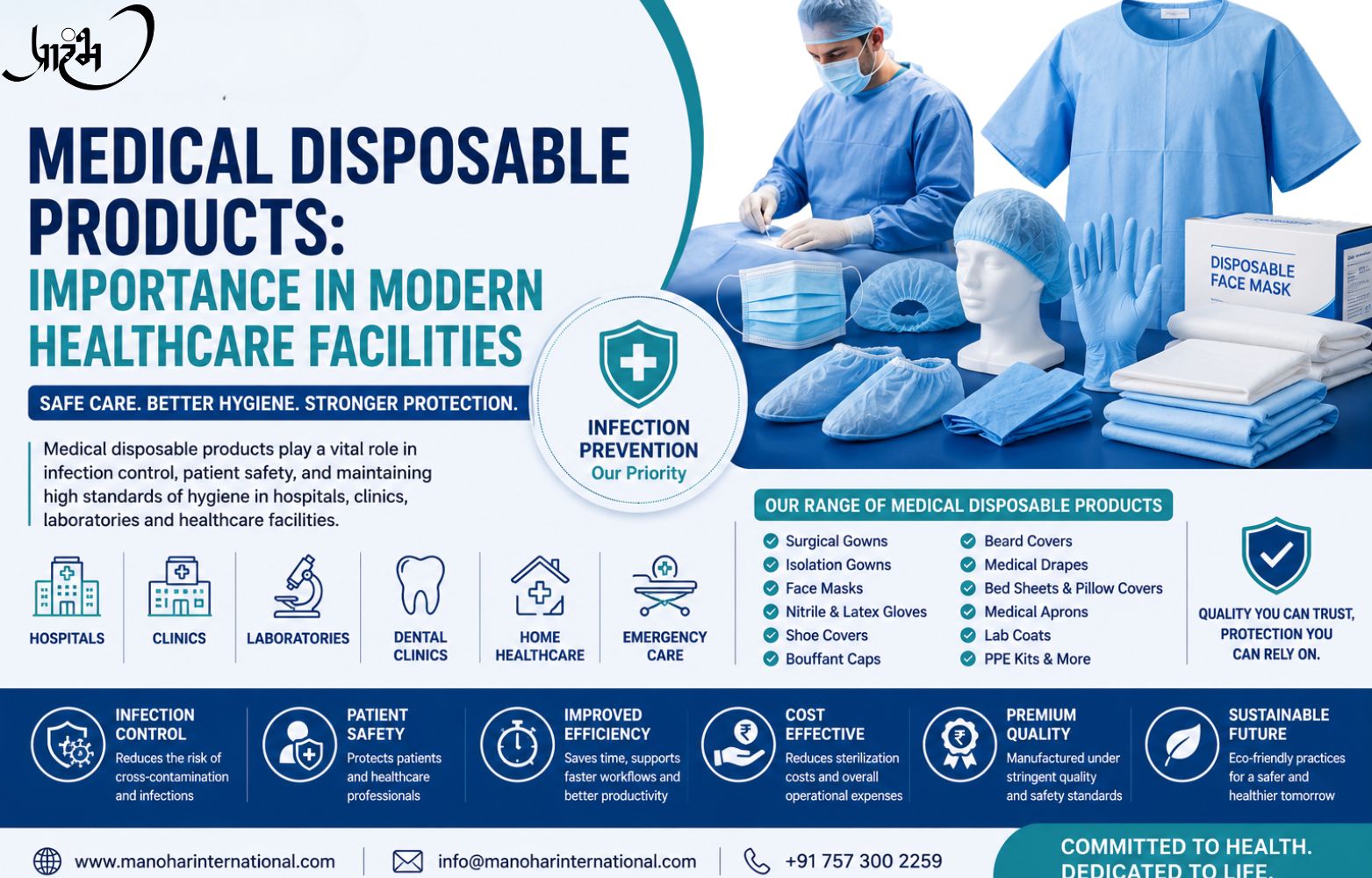
- Medical disposable products
- Infection control protocols
Effective infection prevention improves patient safety and clinical outcomes.
5. Digital Transformation Challenges
Healthcare organizations continue adopting digital technologies while addressing challenges such as:
- System integration
- Staff training
- Infrastructure upgrades
- Data management
- Technology adoption
Successful digital transformation improves healthcare efficiency and accessibility.
6. Cybersecurity and Data Protection
As healthcare becomes increasingly digital, protecting patient information has become essential.
Healthcare providers invest in:
- Secure cloud systems
- Data encryption
- Multi-factor authentication
- Cybersecurity monitoring
- Privacy compliance
Strong cybersecurity safeguards sensitive medical records.
7. Healthcare Accessibility
Many communities continue facing barriers to quality healthcare.
Challenges include:
- Geographic limitations
- Limited medical infrastructure
- Financial constraints
- Healthcare workforce shortages
- Unequal access to specialists
Improving healthcare accessibility remains a global priority.
8. Climate Change and Public Health
Climate-related events increasingly affect healthcare systems through:
- Heat-related illnesses
- Natural disasters
- Air pollution
- Waterborne diseases
- Food security challenges
Healthcare organizations are developing strategies to improve resilience and emergency preparedness.
Future Opportunities in Global Healthcare
1. Artificial Intelligence in Healthcare
Artificial Intelligence supports:
- Medical imaging
- Disease prediction
- Clinical decision support
- Healthcare analytics
- Drug discovery
- Administrative automation
AI helps improve diagnosis, efficiency, and patient outcomes.
2. Digital Healthcare Expansion
Digital healthcare continues improving patient access through:
- Telemedicine
- Electronic Health Records
- Mobile healthcare applications
- Remote monitoring
- Digital diagnostics
Digital solutions make healthcare more efficient and patient-centered.
3. Smart Hospitals
Smart hospitals integrate advanced technologies such as:
- IoT-enabled medical devices
- AI-powered monitoring
- Automated workflows
- Connected healthcare systems
- Predictive maintenance
These innovations improve operational efficiency and patient care.
4. Personalized Medicine
Healthcare providers increasingly tailor treatments based on:
- Genetic information
- Lifestyle factors
- Medical history
- Diagnostic results
Personalized medicine improves treatment effectiveness while reducing unnecessary interventions.
5. Medical Technology Innovation
Emerging technologies continue transforming healthcare through:
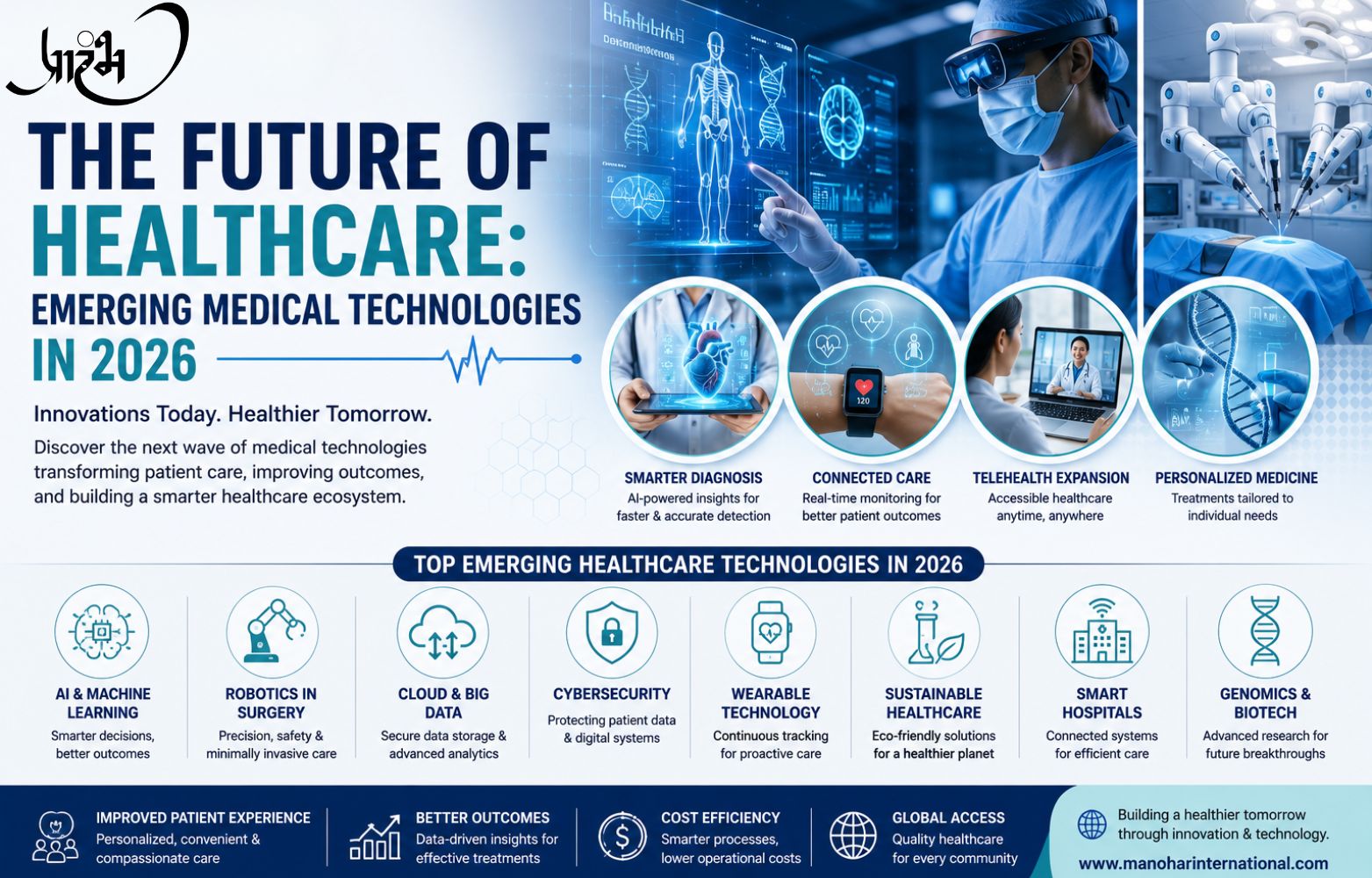
- Robotic-assisted surgery
- Wearable medical devices
- Portable diagnostics
- Advanced medical imaging
- Smart healthcare equipment
Medical innovation improves diagnosis, treatment, and recovery.
6. Preventive Healthcare
Healthcare systems are placing greater emphasis on:
- Health education
- Vaccination programs
- Lifestyle management
- Regular health screenings
- Early disease detection
Preventive healthcare helps reduce long-term healthcare costs.
7. Sustainable Healthcare
Healthcare organizations are adopting sustainable practices such as:
- Energy-efficient hospitals
- Medical waste reduction
- Eco-friendly healthcare products
- Sustainable procurement
- Digital documentation
Sustainability supports environmental responsibility and operational efficiency.
8. Global Healthcare Collaboration
International partnerships encourage:
- Medical research
- Knowledge sharing
- Public health initiatives
- Disease surveillance
- Emergency response coordination
Collaboration strengthens healthcare systems worldwide.
Role of Medical Technology in Future Healthcare
Modern medical technology is transforming healthcare by improving:
- Diagnostic accuracy
- Surgical precision
- Patient monitoring
- Clinical decision-making
- Healthcare accessibility
- Hospital efficiency
Technology continues supporting safer and more effective healthcare delivery.
Best Practices for Strengthening Global Healthcare
Healthcare organizations should:
- Invest in healthcare innovation
- Improve digital infrastructure
- Strengthen cybersecurity
- Promote preventive healthcare
- Enhance workforce development
- Improve infection prevention
- Expand healthcare accessibility
- Encourage sustainable healthcare
- Support medical research
- Build international healthcare partnerships
These strategies improve healthcare quality while preparing organizations for future challenges.
Future of Global Healthcare
The future of Global Healthcare will be driven by:
- Artificial Intelligence
- Digital Healthcare
- Precision Medicine
- Smart Hospitals
- Connected Medical Devices
- Predictive Analytics
- Sustainable Healthcare
- Telemedicine
- Advanced Biotechnology
- Global Collaboration
These innovations will continue improving patient care, healthcare accessibility, and operational efficiency worldwide.
Conclusion
Global Healthcare faces significant challenges, including rising healthcare costs, workforce shortages, infection prevention, cybersecurity, and healthcare accessibility. At the same time, advancements in healthcare innovation, medical technology, Artificial Intelligence, digital healthcare, and global collaboration are creating unprecedented opportunities to improve patient care and strengthen healthcare systems.
Healthcare organizations that embrace innovation, invest in technology, prioritize patient safety, and support sustainable healthcare practices will be better prepared to meet future healthcare needs and deliver high-quality care across the world.
Frequently Asked Questions (FAQs)
1. What is Global Healthcare?
Global Healthcare refers to the international effort to improve health systems, patient care, medical research, disease prevention, and healthcare accessibility across countries.
2. What are the biggest Global Healthcare challenges?
Major challenges include rising healthcare costs, workforce shortages, healthcare-associated infections, cybersecurity risks, healthcare accessibility, and digital transformation.
3. How is Artificial Intelligence improving Global Healthcare?
AI supports disease prediction, medical imaging, healthcare analytics, clinical decision-making, administrative automation, and personalized patient care.
4. What is Digital Healthcare?
Digital Healthcare uses technologies such as telemedicine, Electronic Health Records, mobile health applications, and remote monitoring to improve healthcare delivery.
5. Why is Healthcare Innovation important?
Healthcare Innovation improves patient outcomes, increases efficiency, enhances diagnosis, supports better treatments, and strengthens healthcare systems.
6. What role does Medical Technology play in healthcare?
Medical Technology improves diagnostics, surgical procedures, patient monitoring, hospital operations, and overall healthcare quality.
7. How does Preventive Healthcare benefit society?
Preventive Healthcare reduces disease risk, promotes healthy lifestyles, supports early diagnosis, lowers healthcare costs, and improves long-term public health.
8. What are Smart Hospitals?
Smart Hospitals integrate Artificial Intelligence, IoT-enabled medical devices, automation, and connected healthcare systems to improve operational efficiency and patient care.
9. Why is Sustainability important in Healthcare?
Sustainable Healthcare reduces environmental impact, improves resource efficiency, supports responsible waste management, and creates healthier healthcare environments.
10. What is the future of Global Healthcare?
The future of Global Healthcare will be shaped by Artificial Intelligence, Digital Healthcare, Precision Medicine, Smart Hospitals, Connected Medical Devices, Sustainable Healthcare, Telemedicine, and international collaboration to deliver safer, smarter, and more accessible patient care worldwide.