

Global Trade Statistics 2026: Facts Every Business Should Know
Global Trade Statistics help businesses understand how products, services, investments, and supply chains move across international markets. Whether you are a manufacturer, exporter, importer, wholesaler, distributor, or entrepreneur, analyzing international trade statistics enables better business planning, market expansion, and strategic decision-making.
As global trade continues to evolve through digital transformation, sustainable manufacturing, Artificial Intelligence (AI), and changing consumer demand, businesses that monitor reliable trade data can identify profitable opportunities and reduce business risks.
This guide highlights the most important Global Trade Statistics 2026 and explains what they mean for companies involved in import export business and international commerce.
What Are Global Trade Statistics?
Global Trade Statistics are numerical indicators that measure the movement of goods and services between countries. They provide valuable insights into:
- Export performance
- Import demand
- International market growth
- Industry trends
- Supply chain activity
- Manufacturing output
- Trade balance
- Cross-border commerce
- Global sourcing patterns
These statistics help businesses make informed decisions based on real market trends rather than assumptions.
Why Global Trade Statistics Matter
Understanding global trade statistics allows businesses to:
- Identify high-growth international markets
- Evaluate product demand
- Improve export planning
- Discover new sourcing opportunities
- Monitor industry performance
- Reduce supply chain risks
- Support investment decisions
- Improve business competitiveness
Companies using trade intelligence can adapt faster to changing global market conditions.
Key Global Trade Statistics Every Business Should Monitor
1. Export Growth Trends
Export statistics reveal which industries and countries are experiencing increasing international demand.
Businesses should monitor:
- Product category growth
- Country-wise exports
- Export value
- Export volume
- Emerging export destinations
Growing export demand often signals new market opportunities.
2. Import Demand Statistics
Import statistics help businesses identify countries with increasing purchasing requirements.
Useful indicators include:
- Import value
- Product demand
- Supplier countries
- Procurement trends
- Seasonal buying patterns
These insights help exporters target the right international buyers.
3. Global Manufacturing Growth
Manufacturing remains the foundation of international trade.
Growing manufacturing sectors include:
- Medical disposable products
- Healthcare supplies
- Beauty and wellness products
- Industrial machinery
- Consumer goods
- Packaging solutions
- Renewable energy equipment
Countries with expanding manufacturing capabilities continue to strengthen their position in global commerce.
4. Cross-Border eCommerce Growth
Cross-border digital commerce continues to reshape global trade.
Businesses increasingly sell products through:
- B2B marketplaces
- International eCommerce platforms
- Digital procurement portals
- Online wholesale marketplaces
Digital trade expands access to international customers while reducing traditional market barriers.
5. Global Supply Chain Performance
Efficient supply chains influence business profitability and customer satisfaction.
Key metrics include:
- Delivery times
- Shipping costs
- Inventory turnover
- Freight availability
- Supplier reliability
- Warehouse efficiency
Businesses monitoring these indicators can optimize operations and reduce logistics risks.
6. Healthcare and Medical Trade Growth
Healthcare continues to be one of the fastest-growing sectors in international trade.
Demand remains strong for:
- Medical disposable products
- Hospital consumables
- Personal Protective Equipment (PPE)
- Surgical products
- Infection prevention solutions
- Healthcare supplies
Healthcare investments continue to create export opportunities worldwide.
7. Beauty & Wellness Industry Expansion
The global beauty and wellness sector continues to experience consistent growth.
Popular export categories include:
- Disposable spa products
- Salon disposable products
- Beauty accessories
- Wellness supplies
- Personal care products
This industry offers excellent opportunities for manufacturers and exporters.
8. Sustainable Trade and Green Manufacturing
Environmental sustainability is becoming an important factor in international purchasing decisions.
Businesses adopting sustainable practices benefit from:
- Increased buyer confidence
- Improved brand reputation
- Regulatory compliance
- Long-term competitiveness
Green manufacturing is expected to influence future global trade trends.
Industries Driving Global Trade in 2026
Several sectors continue to generate strong international demand.
These include:
- Healthcare
- Medical disposables
- Beauty & Wellness
- Industrial manufacturing
- Renewable energy
- Agriculture
- Food processing
- Electronics
- Packaging
- Automotive
- Smart manufacturing
- Consumer goods
Businesses operating in these industries have significant export growth potential.
How Businesses Can Use Global Trade Statistics
Trade data helps businesses:
Research International Markets
Analyze countries with increasing import demand.
Identify Product Opportunities
Monitor growing product categories.
Improve Export Planning
Select high-potential export destinations.
Strengthen Supply Chains
Diversify suppliers and reduce sourcing risks.
Support Business Expansion
Use trade intelligence to make informed investment decisions.
Factors Influencing Global Trade Statistics
Several factors impact international trade performance.
These include:
- Economic growth
- Consumer demand
- Exchange rates
- Trade agreements
- Government regulations
- Shipping costs
- Technology adoption
- Geopolitical developments
- Sustainability initiatives
- Artificial Intelligence
Understanding these factors helps businesses respond more effectively to market changes.
Future Global Trade Trends
The future of global commerce will increasingly rely on:
- Artificial Intelligence
- Smart logistics
- Digital customs systems
- Supply chain automation
- Blockchain technology
- Sustainable manufacturing
- Cross-border eCommerce
- Data-driven decision making
- Predictive analytics
- Global digital marketplaces
Businesses adopting these innovations will remain competitive in international markets.
Best Practices for Importers and Exporters
Businesses should:
- Monitor international trade statistics regularly
- Research target markets
- Diversify export destinations
- Build relationships with reliable suppliers
- Invest in digital transformation
- Focus on product quality
- Improve logistics efficiency
- Stay updated on trade regulations
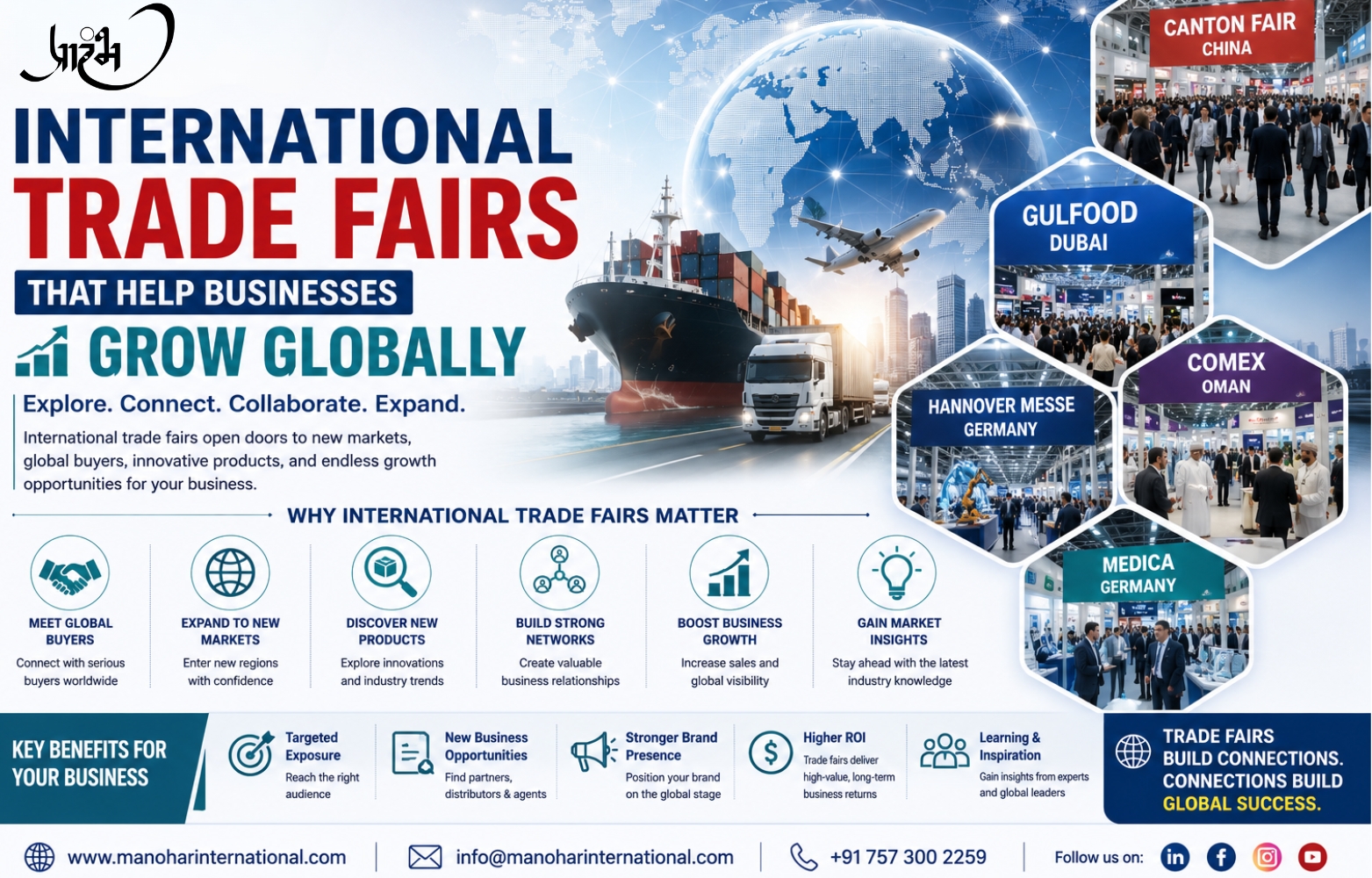
- Participate in international trade fairs
- Track industry-specific market trends
Consistent analysis of trade data supports long-term business growth.
Conclusion
Global Trade Statistics 2026 provide valuable insights that help businesses understand international markets, evaluate growth opportunities, improve supply chain performance, and strengthen export strategies. Companies that regularly monitor international trade statistics, market trends, and industry developments are better positioned to expand globally and make informed business decisions.
Whether your business operates in healthcare, beauty & wellness, manufacturing, industrial products, or consumer goods, using accurate trade data can improve competitiveness and support sustainable international growth.
Frequently Asked Questions (FAQs)
1. What are Global Trade Statistics?
Global Trade Statistics are data that measure the movement of goods and services between countries, including exports, imports, trade value, and market trends.
2. Why are Global Trade Statistics important for businesses?
They help businesses identify international market opportunities, evaluate demand, improve export planning, and make informed strategic decisions.
3. Which industries are driving Global Trade in 2026?
Healthcare, medical disposables, beauty & wellness, manufacturing, renewable energy, electronics, food processing, packaging, and consumer goods continue to drive international trade.
4. How do Global Trade Statistics help exporters?
Exporters use trade statistics to identify growing markets, analyze buyer demand, monitor competitors, and expand into new international markets.
5. How can importers use International Trade Statistics?
Importers can identify reliable supplier countries, evaluate sourcing opportunities, compare pricing trends, and improve procurement strategies.
6. What factors influence Global Trade Statistics?
Economic growth, trade agreements, exchange rates, consumer demand, logistics, technology adoption, regulations, and geopolitical developments all influence global trade performance.
7. What role does Artificial Intelligence play in Global Trade?
AI improves demand forecasting, supply chain optimization, market analysis, inventory management, customs documentation, and procurement decisions.
8. How does cross-border eCommerce impact Global Trade?
Cross-border eCommerce enables businesses to reach international customers, expand sales channels, and participate more effectively in global commerce.
9. How often should businesses monitor Global Trade Statistics?
Businesses should review trade statistics regularly to track market trends, evaluate industry performance, identify emerging opportunities, and respond quickly to changes in international markets.
10. How can businesses succeed in Global Trade?
Businesses can succeed by monitoring trade statistics, researching international markets, improving product quality, strengthening supply chains, embracing digital technologies, participating in international trade fairs, and building long-term relationships with global buyers.